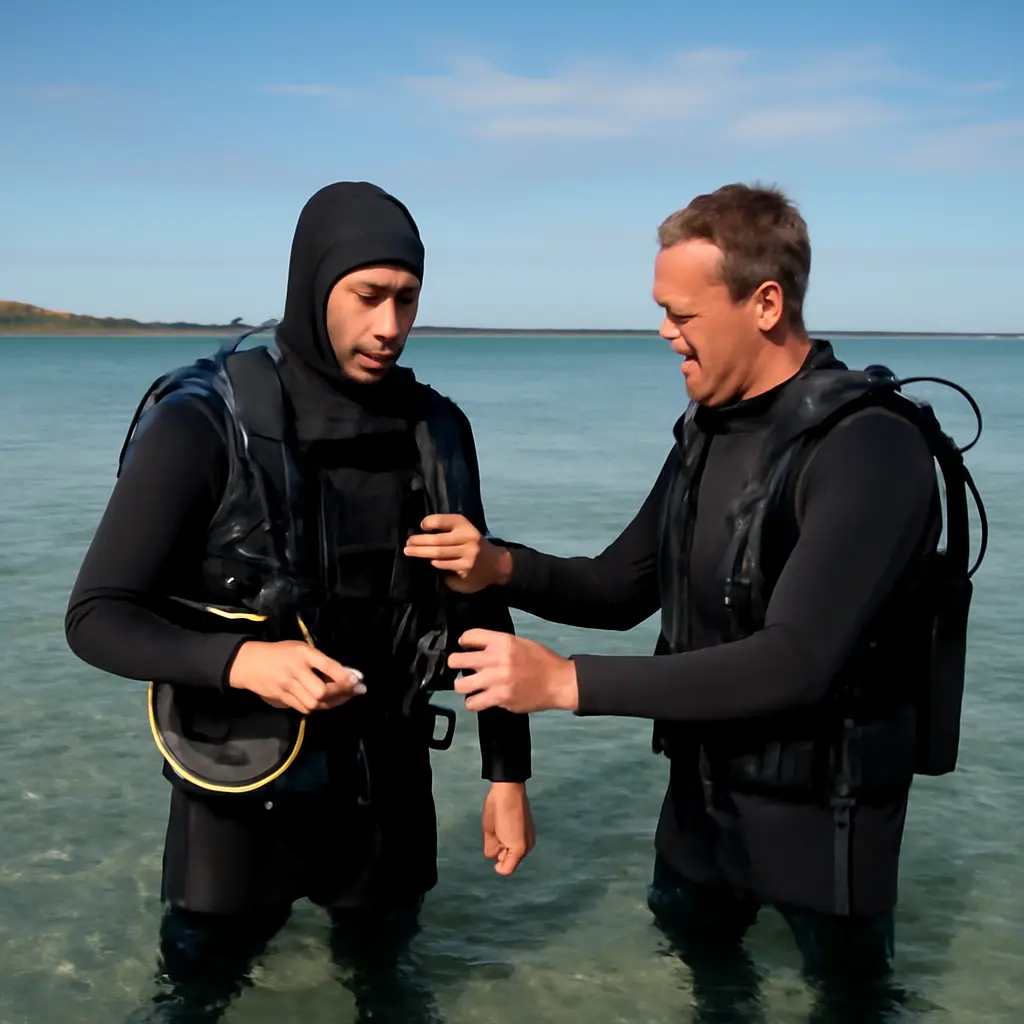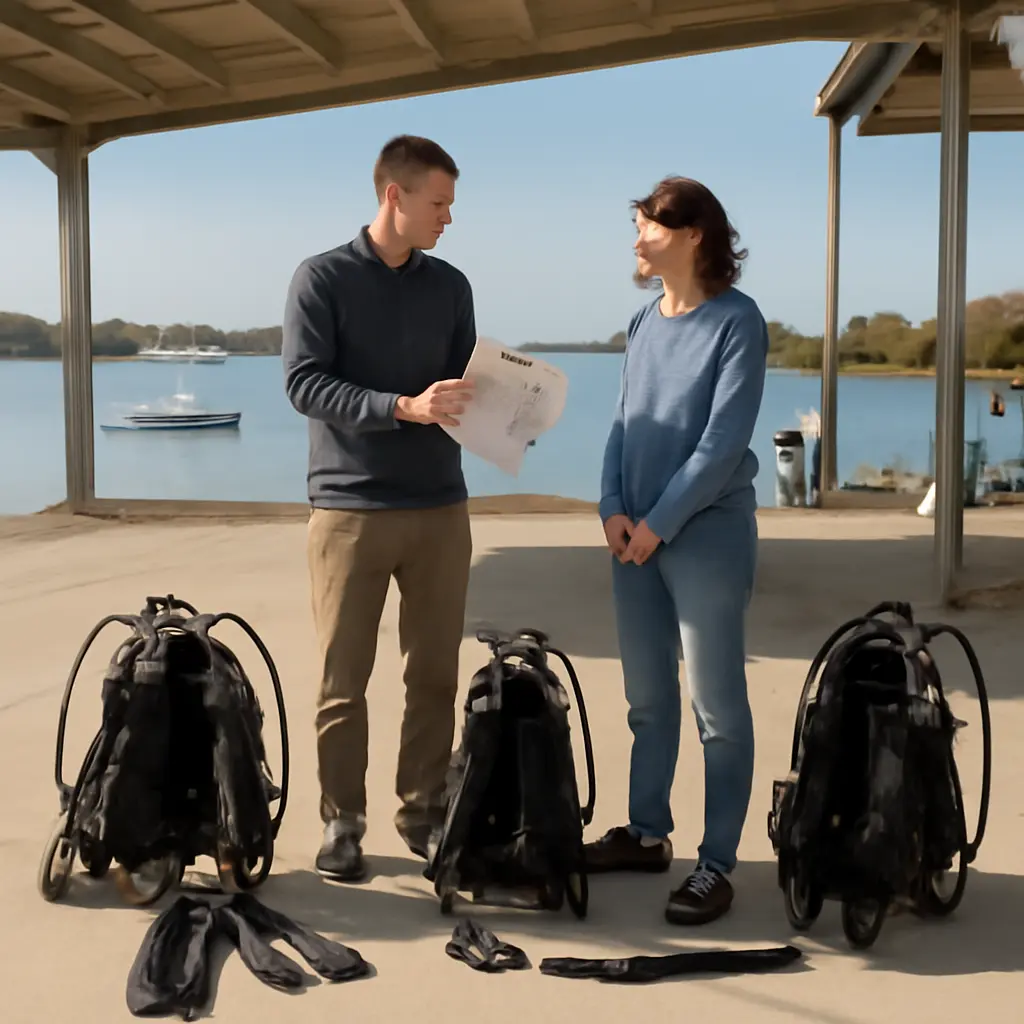
A scuba diving instructor is a qualified professional who teaches divers the knowledge and in-water skills needed to dive safely and independently within their training limits. Choosing the right instructor means checking current credentials, evaluating teaching style and safety practices, and confirming that the course, equipment, and dive conditions suit your needs. The choice matters: the Divers Alert Network’s annual reports document preventable factors in diving fatalities, while the U.S. Centers for Disease Control and Prevention notes that diving-related injuries can involve drowning, barotrauma, and decompression illness. This guide explains what instructor qualifications mean, how to assess teaching and safety, how to compare course settings, and what to ask before enrolling.
Instructor qualifications and scuba diving instructor selection
Instructor qualifications are the training-agency credentials and current professional status that authorize an individual to teach specified scuba courses. The Professional Association of Diving Instructors (PADI), Scuba Schools International (SSI), and other agencies establish instructor-development and course standards; certification levels and teaching permissions vary by agency and course. A credential is an important baseline, but it does not by itself prove that an instructor is a good fit for a particular student.
The World Recreational Scuba Training Council (WRSTC) publishes minimum training standards used by participating recreational training organizations. For example, its entry-level diver standard sets a minimum age of 10 and requires knowledge development, confined-water training, and open-water experience, subject to agency rules and local law. When comparing instructors, verify both their agency status and whether their experience matches the course you intend to take.
Verify certification and current teaching status
An instructor certification is evidence that a training organization has assessed the person for a particular teaching role. Ask which agency issued the credential, what courses the instructor is authorized to teach, and whether their professional status is current. You can request an instructor number or ask the agency or dive center to confirm the person’s status. If you are pursuing a specialty or professional qualification, confirm that the instructor holds the specific rating required for it.
Match experience to your course and circumstances
Relevant experience means more than a high lifetime dive count. Look for familiarity with the course environment, such as cold water, currents, limited visibility, shore entries, or boat diving, and ask how often the instructor teaches beginners. For adaptive instruction, children’s courses, or students who are anxious or returning after a long break, seek an instructor with suitable training and experience. The best match is someone who can explain how they will adjust instruction while still meeting the agency’s standards.
Teaching approach and scuba diving instructor selection
Teaching approach is the way an instructor explains concepts, demonstrates skills, observes performance, and gives feedback. A suitable instructor makes learning clear and structured, allows students to practise at an appropriate pace, and treats questions as a normal part of training. This matters because scuba skills must be performed under water, where communication and problem-solving differ from those on land.
Look for clear explanations and constructive feedback
A good instructor explains the purpose of each skill, demonstrates it, and checks that students understand before increasing difficulty. Feedback should be specific—for example, identifying how to improve buoyancy or mask clearing—rather than simply saying a skill was wrong. Ask how the instructor handles a student who needs more practice. Training standards require students to demonstrate skills, not merely attend a set number of sessions.
Assess pace, patience, and class size
Class size affects how much individual attention each student may receive, although the permitted ratio depends on the agency, course, environment, and applicable rules. Ask how many students will be in your group, whether assistants will be present, and how the instructor manages differences in experience and confidence. A cautious pace is especially valuable for first-time divers: students should have time to repeat skills and raise concerns without feeling pressured to continue before they are ready.
Safety practices and scuba diving instructor selection
Safety practices are the procedures an instructor uses to prevent foreseeable problems and respond to emergencies. They include planning, student supervision, equipment checks, environmental assessment, and clear emergency arrangements. The Divers Alert Network (DAN) analyzes diving incidents and fatalities to identify contributing factors; its reports reinforce that diver decisions, health, equipment, and environmental conditions can interact. No instructor can remove every risk, but a responsible one should explain how risks are managed.
Ask about ratios, supervision, and emergency readiness
Before enrolling, ask how students are supervised in confined and open water, who assists the instructor, and what emergency equipment and communication plans are available. The answer should be concrete and appropriate to the site, including how the team responds to a missing diver, injury, or changing conditions. Ask whether the instructor reviews hand signals, buddy procedures, and the plan for ending a dive. If answers are vague or dismissive, consider another provider.
Check health screening and readiness procedures
A responsible instructor or dive center should explain the required health questionnaire and when medical evaluation is needed. The Recreational Scuba Training Council’s medical guidance and agency procedures are designed to identify conditions that may require a physician’s assessment; they are not a substitute for individualized medical advice. Be honest about relevant health history, and do not let anyone pressure you to dive when you feel unwell, fatigued, or unprepared.
Evaluate equipment condition and fit
Training equipment should be serviceable, suitable for the environment, and correctly fitted. Ask how rental regulators, buoyancy compensators, cylinders, exposure protection, and weights are inspected and maintained. A mask that leaks or a poorly fitting buoyancy compensator can distract a beginner and complicate skill practice. The instructor should explain basic checks and encourage students to report equipment problems immediately rather than treating discomfort as something to tolerate.
Course setting and scuba diving instructor selection
The course setting is the combination of training location, schedule, water conditions, equipment access, and support services. A strong instructor can still be a poor match if the course is rushed or the environment is unsuitable for a new diver. Compare the full learning experience, not just the advertised price or the number of days.
Compare local training with destination courses
Local training often gives students more time to practise across multiple sessions and become familiar with their home diving conditions. Destination courses may offer warm water and convenient scheduling, but limited vacation time can create pressure to move quickly. If training while traveling, confirm in advance how classroom or online learning, pool sessions, and open-water dives are arranged, and leave enough time for all required training rather than expecting skills to be rushed into a single day.
Review conditions, facilities, and course logistics
Ask where each training session will take place and what happens if weather, visibility, or sea conditions are unsuitable. Check whether the dive center has an appropriate confined-water training area, clean and maintained equipment, and a clear schedule for theory, skills, and open-water dives. Confirm what the course fee includes, such as learning materials, equipment rental, certification processing, and transportation. Written details make it easier to compare providers fairly.
Questions, reviews, and red flags when choosing a scuba diving instructor
A short conversation with an instructor can reveal whether their teaching and safety priorities match yours. Reviews and recommendations can add useful context, but they should supplement—rather than replace—credential checks and direct questions. Look for patterns across multiple sources, especially comments about communication, patience, organization, and how problems were handled.
Questions to ask before booking
- Which agency certifies you, and is your teaching status current?
- How many students will be in the group, and will an assistant help?
- How do you support students who need extra time or practice?
- Where will the training take place, and what conditions should I expect?
- What equipment is included, and how is it maintained and fitted?
- What is the emergency plan, and what happens if conditions are unsuitable?
- What costs are not included in the advertised course price?
Recognize warning signs
Warning signs include pressure to ignore health concerns, promises of certification without demonstrating required skills, unclear credentials, poor equipment, or dismissive responses to safety questions. Be wary of an instructor who encourages diving beyond your training or treats a student’s discomfort as a reason to push harder. A professional should be willing to pause training, repeat a skill, or reschedule when conditions or student readiness call for it.
Conclusion: choosing a scuba diving instructor with confidence
Choosing the right scuba diving instructor means checking current qualifications, matching experience to your course, assessing teaching style, and asking specific questions about supervision, equipment, health screening, and emergency plans. Course location and logistics also matter: a suitable setting gives you time to practise without unnecessary pressure. Use agency verification and trustworthy recommendations as starting points, then speak directly with the instructor before committing. A careful choice supports safer learning and helps build the skills and confidence needed for responsible diving.
Sources: World Recreational Scuba Training Council, Recreational Scuba Training Council Standards, https://wrstc.com/standards/; Divers Alert Network, Annual Diving Report, https://www DAN.org/research-reports/annual-diving-report/; U.S. Centers for Disease Control and Prevention, Diving Safety, https://www.cdc.gov/niosh/diving/; Professional Association of Diving Instructors, PADI Instructor Development and Standards, https://www.padi.com/; Scuba Schools International, SSI Training Standards, https://www.divessi.com/en/education/standards