
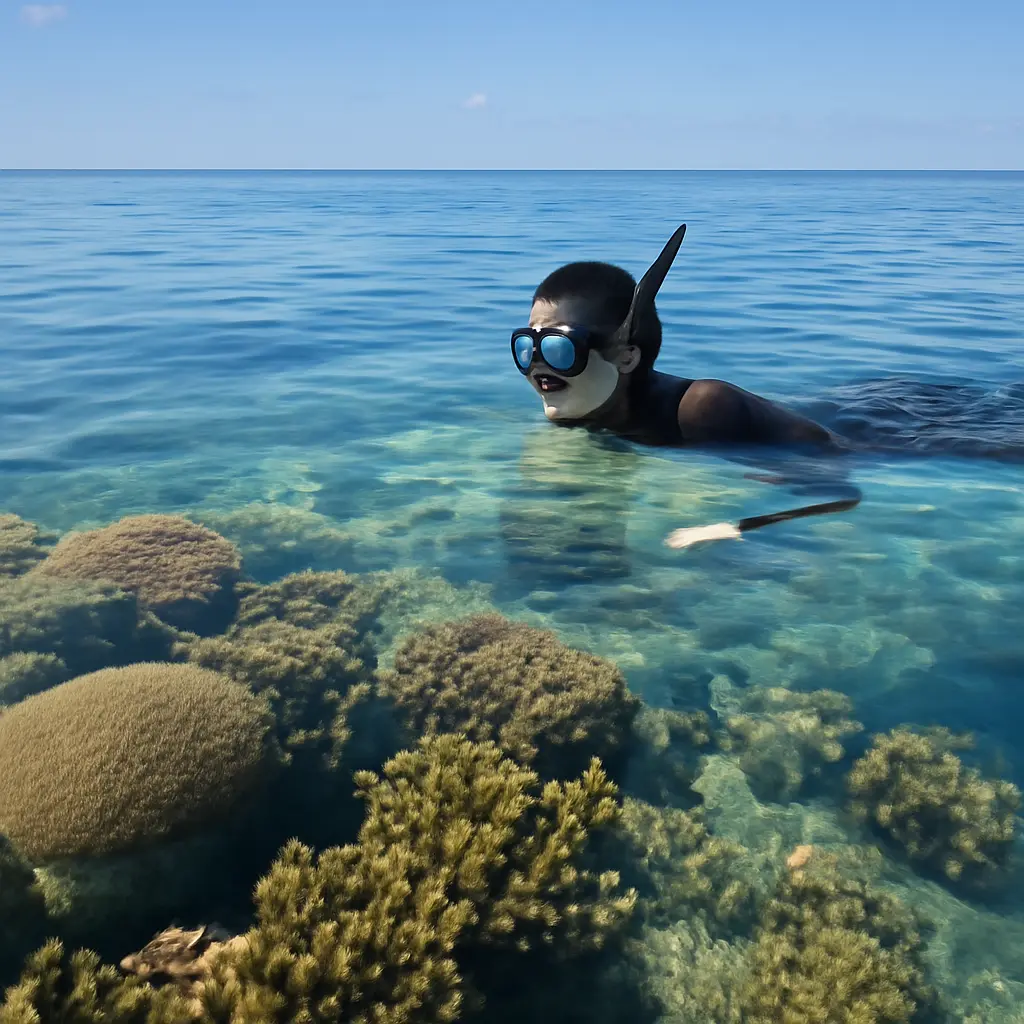
Scuba diving and snorkeling are ways to explore underwater environments, but they differ mainly in how a person breathes and how deep they can go. Snorkelers breathe through a tube while floating at the surface; scuba divers use a tank and regulator to breathe underwater. The choice affects training, equipment, cost, and risk. The Professional Association of Diving Instructors (PADI) describes snorkeling as surface observation and scuba diving as underwater exploration using self-contained breathing equipment. Both can offer rewarding ways to see marine life, provided participants match their skills and precautions to the conditions.
How scuba diving and snorkeling differ in breathing and depth
The defining difference is the breathing system. A snorkeler’s tube connects the mouth to air above the water, so the person must keep the opening at the surface. A scuba diver carries a compressed-gas cylinder and breathes through a regulator, allowing the diver to remain submerged. “SCUBA” stands for self-contained underwater breathing apparatus.
This equipment difference shapes typical depth and duration. Snorkeling is generally limited to the surface, though a trained person may make brief breath-hold dives. Scuba divers can stay underwater longer, but their depth and time are constrained by training, gas supply, environmental conditions, and safe-diving limits. Recreational divers commonly plan within a maximum depth of 40 metres (130 feet), a limit reflected in training-agency guidance; beginners are taught to dive much shallower.
Snorkeling: surface breathing and breath-hold dips
Snorkeling means observing underwater scenery while swimming or floating at the surface with a mask, snorkel, and usually fins. The snorkel is not a device for breathing underwater: its opening must remain above water, and a snorkeler who dives below the surface must hold their breath. This makes calm, clear, shallow water especially suitable for beginners, families, and visitors who want a brief introduction to a reef or shoreline.
Snorkeling does not require scuba certification, but swimming ability and basic water-safety awareness matter. The U.S. Centers for Disease Control and Prevention advises people to use appropriate flotation where needed, avoid snorkeling alone, and account for currents and personal health. A mask that fits, a snorkel suited to the swimmer, and fins that do not cause strain can improve comfort without eliminating environmental risks.
Scuba diving: breathing underwater with equipment
Scuba diving is underwater swimming while breathing from a carried gas supply through a regulator. A typical recreational setup includes a cylinder, regulator, buoyancy control device, mask, fins, and instruments for monitoring depth and remaining gas. Divers learn to manage buoyancy, equalize pressure in their ears and mask, communicate with a buddy, and ascend in a controlled manner.
Scuba training is a meaningful distinction from snorkeling. Recognized certification courses teach skills and dive planning before independent recreational diving; a supervised introductory dive may be available without full certification, but it is not the same as being qualified to dive independently. Divers must also follow their training limits and use a buddy or other appropriate supervision. The Divers Alert Network (DAN) emphasizes that dive safety depends on preparation, health, equipment, and decisions made before and during a dive.
How equipment, training, and access compare
Because snorkeling and scuba have different breathing methods, they also demand different levels of preparation. Snorkeling gear is lighter and simpler, while scuba equipment supports extended underwater breathing and requires instruction in its use. For either activity, choosing suitable conditions and respecting local guidance can matter as much as the equipment itself.
Equipment and practical cost
A basic snorkeling kit usually consists of a mask, snorkel, and fins; flotation aids and exposure protection may be added according to the setting. Scuba adds the cylinder, regulator, buoyancy device, and monitoring equipment, with rental, maintenance, and air-filling costs. Prices vary substantially by location, equipment quality, and whether a person rents or buys, so there is no reliable single cost comparison for every destination.
The extra scuba gear is functional rather than merely optional: divers need to control buoyancy, track depth and gas, and respond to equipment or environmental problems. Snorkelers have fewer systems to manage, but still need a well-fitting mask, a clear breathing path, and a plan for currents, boat traffic, and fatigue.
Training, certification, and accessibility
Most people can try snorkeling after learning basic equipment use and checking that they are comfortable in the water. Scuba requires formal instruction for independent recreational diving because pressure, gas management, buoyancy, and ascent procedures introduce skills that cannot be learned simply by watching others. Certification agencies set course standards, while local operators may impose additional age, health, or experience requirements.
Neither activity is automatically suitable for everyone. People should consider swimming ability, mobility, medical history, water temperature, and the demands of the site. Anyone with a relevant health concern should seek medical advice before diving; scuba operators commonly ask participants to complete a health questionnaire and may require clearance when answers indicate possible risk.
How safety and environmental impact compare
Both activities involve open water, and neither should be treated as risk-free. Snorkeling hazards include currents, waves, cold, sun exposure, and exhaustion. Scuba adds risks associated with pressure changes, equipment, gas supply, and ascent. The World Health Organization notes that drowning is a major global public-health concern, underscoring why water competence, supervision, and conservative decisions matter even during recreation.
Safety practices for snorkelers and divers
Snorkelers should check weather and current conditions, use a buddy, stay within their ability, and avoid exhausting themselves by swimming against a strong current. A flotation device can help people who are not strong swimmers, and a guide can provide local knowledge. For scuba, divers should plan within certification limits, check equipment, monitor air and depth, dive with a buddy, and ascend according to training. Flying soon after diving also requires attention to recommended surface intervals because pressure changes can raise decompression-sickness risk.
Incident data require careful interpretation: agencies collect reports using different definitions, and recorded events do not establish the risk for every individual outing. DAN’s annual diving-incident reporting and analysis is useful for understanding recurring scuba hazards, but it is not a direct, like-for-like comparison with snorkeling. The practical takeaway is to use activity-specific training and heed local safety instructions rather than assume one activity is universally safer.
Protecting reefs and marine life
Snorkelers and divers can both damage fragile habitats by standing on coral, touching wildlife, stirring sediment, or leaving litter. The National Oceanic and Atmospheric Administration recommends observing marine life without touching or disturbing it and taking care not to contact coral. Good buoyancy control is especially important for scuba divers because it helps prevent accidental contact with the seabed and reef.
For example, visitors snorkeling over a shallow reef may be close enough to see coral clearly, but fins can strike or break coral if swimmers kick downward or stand to rest. A diver hovering above the same reef can also cause damage if buoyancy is poorly controlled. In either case, maintaining distance, following site rules, and choosing operators that explain conservation practices help reduce harm.
Which activity should you choose?
Snorkeling is often the practical choice for surface viewing, short outings, simpler equipment, and people who do not want to undertake scuba training. Scuba is better suited to those who want to explore below the surface for longer and are willing to complete training, plan dives, and manage specialized equipment. Water conditions and personal comfort should guide the decision alongside the appeal of the underwater experience.
- Choose snorkeling for accessible surface observation in suitable, calm conditions.
- Choose scuba when you want sustained underwater exploration and are prepared for instruction and dive planning.
- For either activity, use a buddy or qualified supervision, follow local guidance, and avoid touching wildlife or habitat.
Conclusion: the difference is breathing method, preparation, and depth
Scuba diving and snorkeling both reveal underwater environments, but snorkeling uses a surface-breathing tube while scuba uses a carried gas supply and regulator. That central difference determines typical depth, equipment, training, cost, and safety practices. Before your next outing, check conditions, be honest about your swimming ability and experience, and choose a reputable guide or recognized training provider. Whichever activity you select, thoughtful preparation and respectful wildlife viewing make the experience safer and more sustainable.
Sources: Professional Association of Diving Instructors (PADI), Snorkeling and Scuba Diving information, https://www.padi.com/; U.S. Centers for Disease Control and Prevention, Health and Safety Concerns for Travelers, https://wwwnc.cdc.gov/travel/page/health-and-safety-concerns; Divers Alert Network, Annual Diving Report, https://dan.org/research-reports/research-studies/annual-diving-report/; World Health Organization, Drowning, https://www.who.int/news-room/fact-sheets/detail/drowning; National Oceanic and Atmospheric Administration, Coral Reef Conservation Program, https://coralreef.noaa.gov/.


