
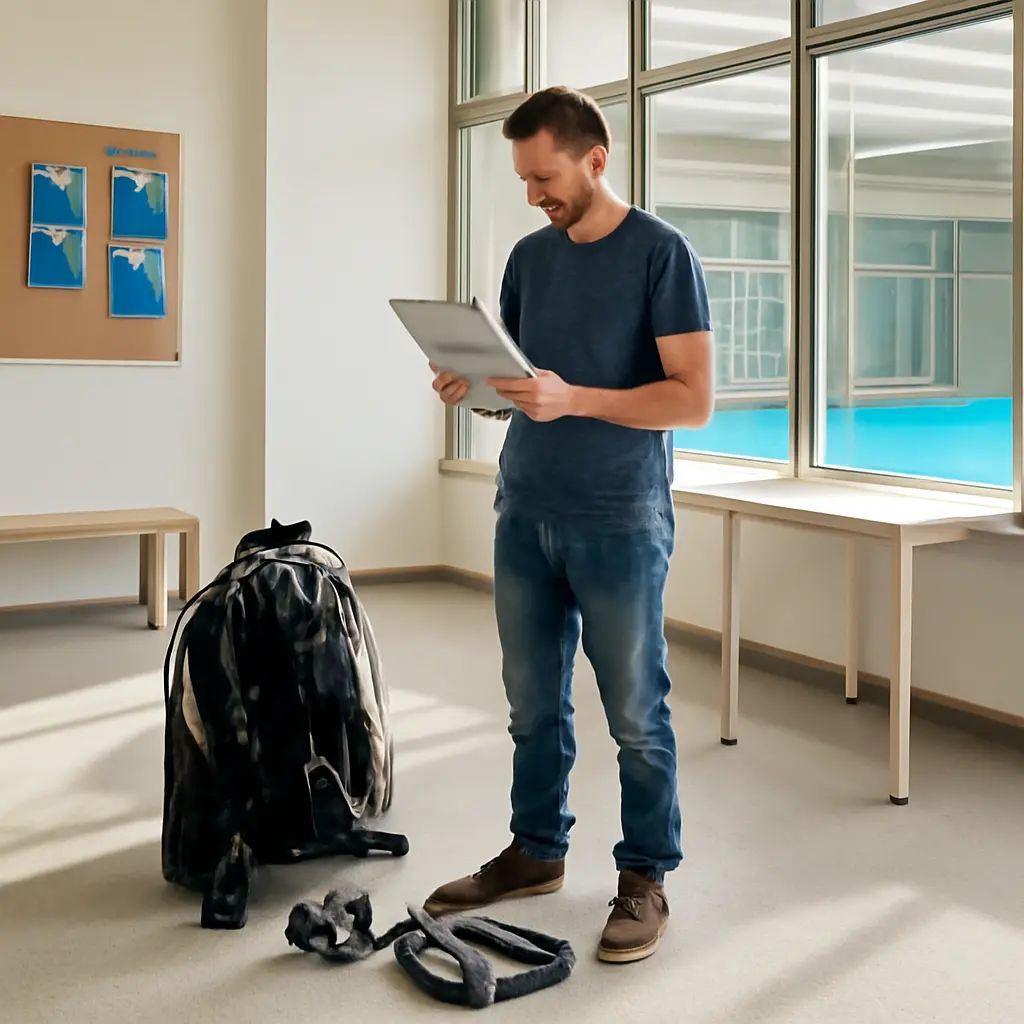
Scuba diving is an underwater activity in which a person uses self-contained breathing equipment; getting started in the United States can cost roughly $200–$500 for a beginner course, or about $600–$1,500 or more when certification, basic personal gear, and initial dives are combined. The total depends on location, course format, what equipment is included, and whether you rent or buy. Below, we break down training, rental and purchase costs, ongoing expenses, and practical ways to budget safely.
What beginner scuba-diving costs include
There is no single standard price for learning to dive. The Professional Association of Diving Instructors (PADI) describes Open Water Diver certification as a course combining knowledge development, confined-water practice, and open-water dives. Providers set their own prices, and a listed course fee may not include every required expense, such as learning materials, equipment rental, boat fees, or certification processing.
For planning purposes, separate the cost into three stages: completing training, equipping yourself for dives, and maintaining the habit. A low-cost course can be a good starting point, but comparing what is included matters more than comparing headline prices alone.
Training and certification
A beginner Open Water course commonly costs about $200–$500 in the United States, though prices vary by region and provider. Ask whether the fee includes instruction, pool or confined-water sessions, open-water training dives, equipment, course materials, and certification fees. Travel to a training site, accommodation, and meals can add substantially to the total.
Certification is not just a classroom purchase: it records that a diver has completed the required training and demonstrated the relevant skills. The Recreational Scuba Training Council publishes minimum training standards for entry-level recreational scuba courses, while agencies and instructors deliver their programs under their own procedures. Confirm the course’s prerequisites and schedule before paying.
Confined-water and open-water expenses
Confined-water sessions let students practice skills in a pool or another controlled environment; open-water dives apply those skills in a natural setting. The cost of getting to the open-water site may be separate from tuition. A local lake or shore-based site can keep travel costs down, while a resort course may involve flights, lodging, boat trips, and other vacation expenses.
Before enrolling, request an itemized quote covering all training sessions and required dives. This helps distinguish a genuinely lower-priced course from one that leaves major costs for later.
How equipment choices change the startup budget
Scuba equipment ranges from personal-fit items to life-support gear. Beginners often rent most equipment during training and early dives, then buy selected items as they learn what fits and suits their needs. Prices vary with brand, materials, features, local taxes, and whether equipment is new or used.
Renting equipment
Rental packages commonly cost roughly $30–$75 per day, with location and included items affecting the rate. A package may include a buoyancy-control device, regulator, cylinder, wetsuit, mask, fins, and boots, but not every shop bundles the same items. Renting avoids a large initial purchase and can be economical for occasional divers.
Check what the rental fee covers and whether cylinders are filled. Also ask about sizing, pickup and return times, and charges for late returns or damage. The U.S. Consumer Product Safety Commission advises consumers to follow product instructions and safety guidance for scuba equipment; use a reputable dive operator and have rental equipment fitted and checked before entering the water.
Buying personal gear
A mask, snorkel, fins, and exposure protection are common first purchases because fit and comfort matter. A basic personal kit may cost around $150–$500, depending on quality and the type of wetsuit or other protection needed. Buying these items can make sense even when renting the rest, especially if you dive regularly or want familiar-fitting gear.
A complete new equipment setup—including regulator, buoyancy-control device, exposure protection, computer, and other accessories—can run from roughly $1,000 to several thousand dollars. These are broad retail estimates, not fixed prices. Divers should seek instruction on gear selection and maintenance rather than choosing solely by price.
Buying used equipment
Used gear can reduce purchase costs, but savings should be weighed against condition, service history, fit, and compatibility. Regulators and buoyancy-control equipment require particular care: have them inspected and serviced by a qualified technician before relying on them underwater. A low purchase price is not a bargain if the equipment needs costly repairs or does not fit correctly.
What your first dives and ongoing diving cost
Certification is the beginning of the budget, not necessarily its end. Each dive may involve equipment rental, cylinder fills, boat or site fees, and transportation. Divers who travel may also pay for lodging and meals, while those who own gear need to account for servicing and replacement.
Local dives, boat trips, and travel
A local shore dive may require little more than transport and any site or rental fees. Guided or boat-based dives often cost more because the price can include boat access, a guide, tanks, or weights. As a broad U.S. planning estimate, a two-tank boat trip may cost about $80–$180, before gratuities, rental equipment, or travel. Check the operator’s inclusions, since package definitions differ.
A destination trip can make diving more expensive than the dives themselves. Airfare and accommodation may outweigh equipment costs, so compare the full trip budget rather than relying on a per-dive price.
Servicing, replacement, and dive insurance
Owned equipment requires periodic inspection and maintenance according to its manufacturer’s instructions and service requirements. Regulators, buoyancy-control devices, and dive computers should be maintained appropriately; costs depend on the equipment and local service rates. Ask a qualified dive shop for a written estimate and keep records of servicing.
Divers may also consider specialist dive insurance. Coverage and exclusions vary, so compare emergency medical and evacuation benefits with existing health or travel insurance rather than assuming ordinary coverage is sufficient. Insurance is an additional budget consideration, not a substitute for training, safe practices, or suitable equipment.
Example budgets for starting scuba diving
The figures below are illustrative U.S. estimates, not official tariffs. Local prices, course inclusions, taxes, and travel can shift the totals. They show why a person who rents gear and dives locally may spend much less initially than someone who purchases a full setup or travels to train.
- Budget-conscious local start: about $600–$900. A lower-priced course, basic personal items, rental of major equipment, and a few local dives.
- Typical beginner setup: about $900–$1,800. A mid-range course, personal mask and fins, several dives, and some rental or travel expenses.
- Gear-focused or destination start: $2,000 or more. Course and travel costs combined with a larger equipment purchase, boat dives, or lodging.
A useful visual for comparing these scenarios would be a stacked bar chart separating course fees, personal gear, rentals, dives, and travel. Such a chart should label estimates as local-market examples, because prices are not uniform across dive shops or destinations.
Ways to keep costs manageable without cutting corners
The safest savings come from planning and choosing the right purchasing sequence—not from skipping instruction or using poorly maintained equipment.
- Compare itemized course quotes and confirm exactly what tuition includes.
- Choose a nearby training site if it avoids substantial travel and lodging costs.
- Rent major equipment while learning, then buy personal-fit items first.
- Ask about package prices for training, rental gear, and initial dives.
- Check used gear carefully and budget for professional inspection or service.
- Keep a reserve for transport, site fees, and equipment maintenance.
Never let a discount replace appropriate training, a qualified instructor, or properly maintained equipment. If a course or gear deal is unclear, ask the provider to explain the inclusions and safety checks before committing.
Conclusion: plan for the full cost of scuba diving
Starting scuba diving in the United States can cost roughly $600–$1,500 or more once training, basic personal gear, and initial dives are considered. Renting can keep the first bill lower; buying a complete setup, traveling to train, or diving from boats raises it. Course inclusions, local prices, and ongoing servicing are key parts of the total.
Before enrolling, compare itemized course quotes, ask what equipment and dives are included, and estimate the cost of your first few outings. For further guidance, consult a recognized training agency and a reputable local dive shop, and make safety and fit central to every purchase.
Sources: PADI, Open Water Diver Course, https://www.padi.com/courses/open-water-diver; Recreational Scuba Training Council, RSTC Standards, https://wrstc.com/standards/; U.S. Consumer Product Safety Commission, Scuba Diving Safety, https://www.cpsc.gov/Safety-Education/Safety-Guides/Sports-Fitness-and-Recreation/Scuba-Diving


