Introduction to Scuba Diving Basics for Beginners
Scuba diving is an adventurous underwater activity that enables individuals to explore the aquatic world with the aid of specialized equipment. Defined by the Professional Association of Diving Instructors (PADI) as self-contained underwater breathing apparatus diving, scuba diving opens a gateway to marine adventures and scientific discovery. For beginners, the vast array of equipment, techniques, and safety protocols can initially feel overwhelming. However, understanding the fundamental scuba diving basics simplifies the learning curve and ensures safe, enjoyable underwater experiences. With over 23 million active divers worldwide as of 2023, according to the Diving Equipment & Marketing Association (DEMA), scuba diving continues to grow in popularity both as a recreational sport and as a professional skill. This article will explore fundamental concepts such as scuba gear, essential skills, safety practices, and certification, ensuring newcomers can start their diving journey confidently without feeling overwhelmed.
Definition and Key Characteristics of Scuba Diving Basics
The phrase “scuba diving basics” refers to the essential knowledge and skills required to engage safely and effectively in underwater diving using scuba equipment. According to Dr. Simon Mitchell, a diving medicine expert at the University of Auckland, scuba diving basics include mastering breathing techniques, buoyancy control, equipment handling, and underwater communication. Key characteristics of scuba diving basics encompass understanding dive planning, emergency procedures, and the physiological effects of diving such as decompression sickness. Globally, certified beginner divers complete a structured curriculum that often spans 3 to 5 days, combining theoretical lessons with practical pool and open water sessions.
Hyponyms under this umbrella term include introductory courses like PADI Open Water Diver, SSI Open Water Diver, and NAUI Scuba Diver certifications, which share a focus on foundation skills but vary slightly in instructional approach and depth of material. From these basic certifications, divers can specialize further into areas like wreck diving, night diving, or technical diving. Transitioning from core basics to specialty knowledge is a natural progression that builds diving confidence and competence.
Core Equipment Essentials for Beginner Scuba Diving
Definition and Function of Scuba Gear
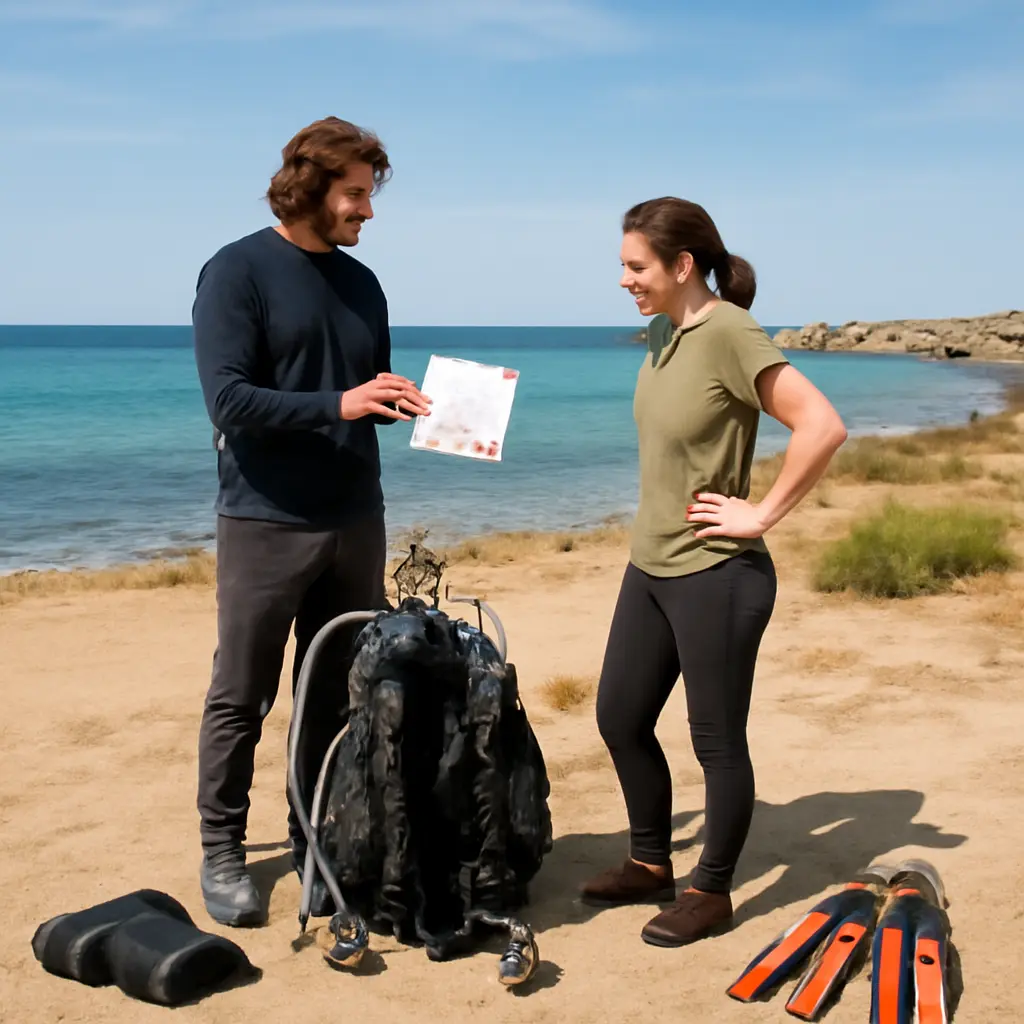
Scuba diving gear is a collection of equipment designed to support breathing underwater and ensure diver safety. This gear typically includes a mask, snorkel, fins, buoyancy control device (BCD), regulator, tank, wetsuit or drysuit, and gauges. According to the Divers Alert Network (DAN), proper equipment familiarity significantly reduces common risks such as equipment failure or disorientation underwater.
Statistics on Equipment Usage and Safety
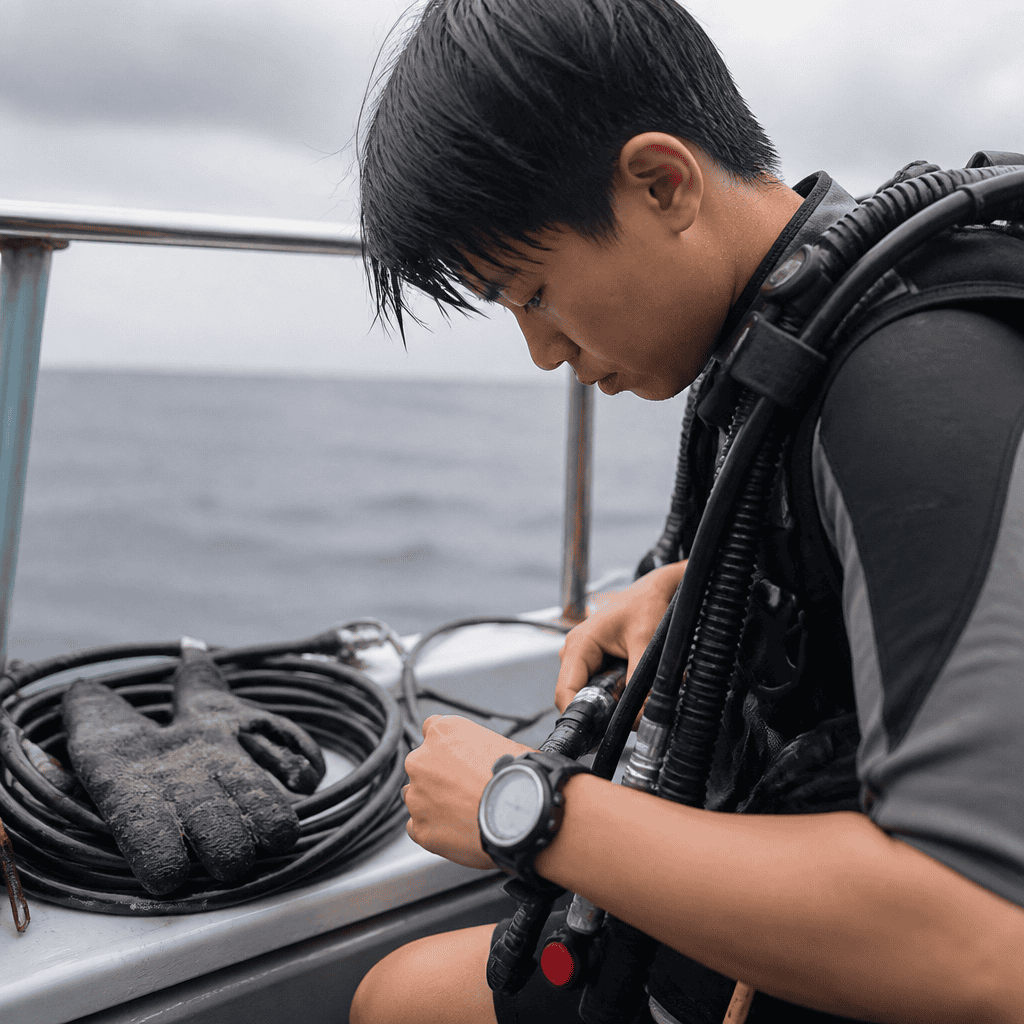
Industry data from DEMA indicate that over 85% of diving accidents involve improper equipment use or failure to perform regular maintenance. Beginner divers are encouraged to participate in equipment orientation sessions that explain how each component functions and how to troubleshoot common problems. Additionally, newer innovations like dive computers have become standard in beginner kits, providing real-time monitoring of depth, time, and decompression limits, enhancing safety and dive planning.
Fundamental Skills and Safety in Beginner Scuba Diving
Essential Diving Skills
Key beginner diving skills include proper breathing techniques, buoyancy control, mask clearing, regulator recovery, and underwater navigation. These skills are foundational to a safe and enjoyable dive experience. Research published in the Journal of Diving and Hyperbaric Medicine emphasizes that proficient buoyancy control reduces air consumption by up to 20%, extending dive duration and enhancing environmental protection by minimizing accidental contact with marine life or reefs.
Safety Protocols and Emergency Preparedness
Safety is paramount in scuba diving; major training agencies advocate a “buddy system” where divers always dive in pairs to monitor each other. Emergency skills like sharing air, controlled ascents, and knowing when to abort a dive are critical. Historical analyses of diving accidents reveal that 70% are preventable through adherence to training and safety guidelines. Therefore, beginners receive extensive training on emergency procedures before certification.
Certification Pathways and Their Importance for New Divers
Overview of Certification Courses
Certification courses provide structured learning and verified competency, enabling divers to rent equipment, participate in guided dives, and access insurance. Agencies such as PADI, NAUI, and SSI offer standardized beginner courses that combine theory, pool practice, and open water dives. According to PADI, over 27 million divers have been certified worldwide, with Open Water courses forming the foundation for all further training.
Benefits of Certification
Certification ensures that divers possess essential knowledge about dive planning, safety, and environmental stewardship. It also fosters confidence and reduces anxiety, transforming the initially overwhelming experience into an enjoyable, lifelong hobby. Certified divers often report higher satisfaction with underwater exploration, contributing to the scuba diving industry’s continued growth and increased awareness of ocean conservation.
Conclusion
Mastering scuba diving basics—including understanding core equipment, developing essential skills, adhering to safety protocols, and completing certification—forms the gateway to safe and fulfilling underwater adventures. By demystifying the learning process, beginners can approach scuba diving confidently and avoid feeling overwhelmed. With millions worldwide embracing scuba diving, these foundational elements remain crucial in promoting safety, environmental respect, and personal growth. Aspiring divers are encouraged to seek certified courses from reputable training agencies and to continue building skills through practical experience and specialty training. For those interested, further reading can include advanced specialty courses, dive medicine literature, and marine ecology studies to deepen both knowledge and appreciation of the underwater realm.