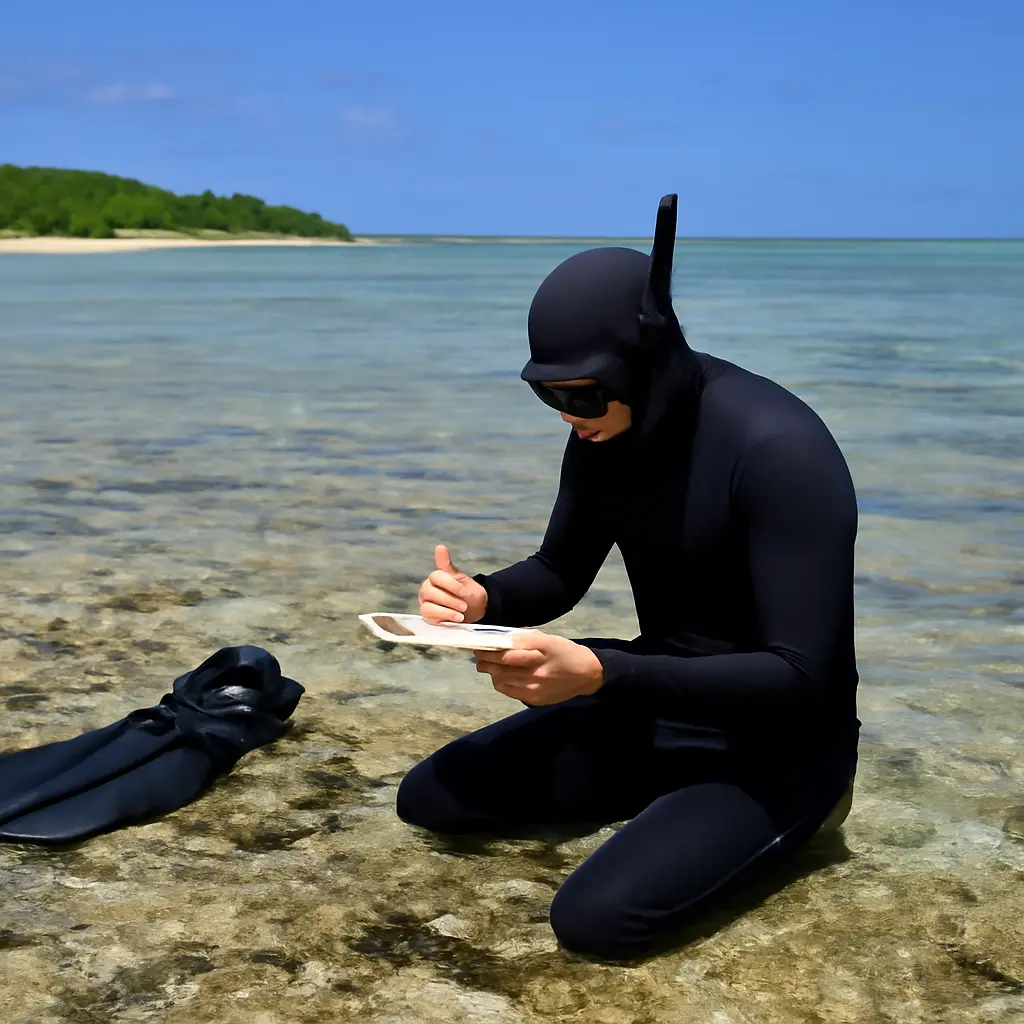
Common Mistakes in Snorkeling Experiences
Snorkeling, a popular recreational water activity that allows individuals to explore underwater environments using a mask, snorkel, and fins, requires basic skills and preparation to ensure a safe and enjoyable experience. Despite its apparent simplicity, many beginners and even seasoned snorkelers make avoidable mistakes that can hinder their underwater adventure. Studies indicate that improper equipment use, poor breathing techniques, neglect of environmental awareness, and insufficient physical preparation significantly contribute to snorkeling discomfort and accidents. This article explores the common snorkeling mistakes that often degrade the experience and offers practical guidance on how to avoid them, focusing on equipment errors, breathing and safety mistakes, environmental impact oversights, and physical fitness considerations.
Equipment-Related Mistakes in Snorkeling
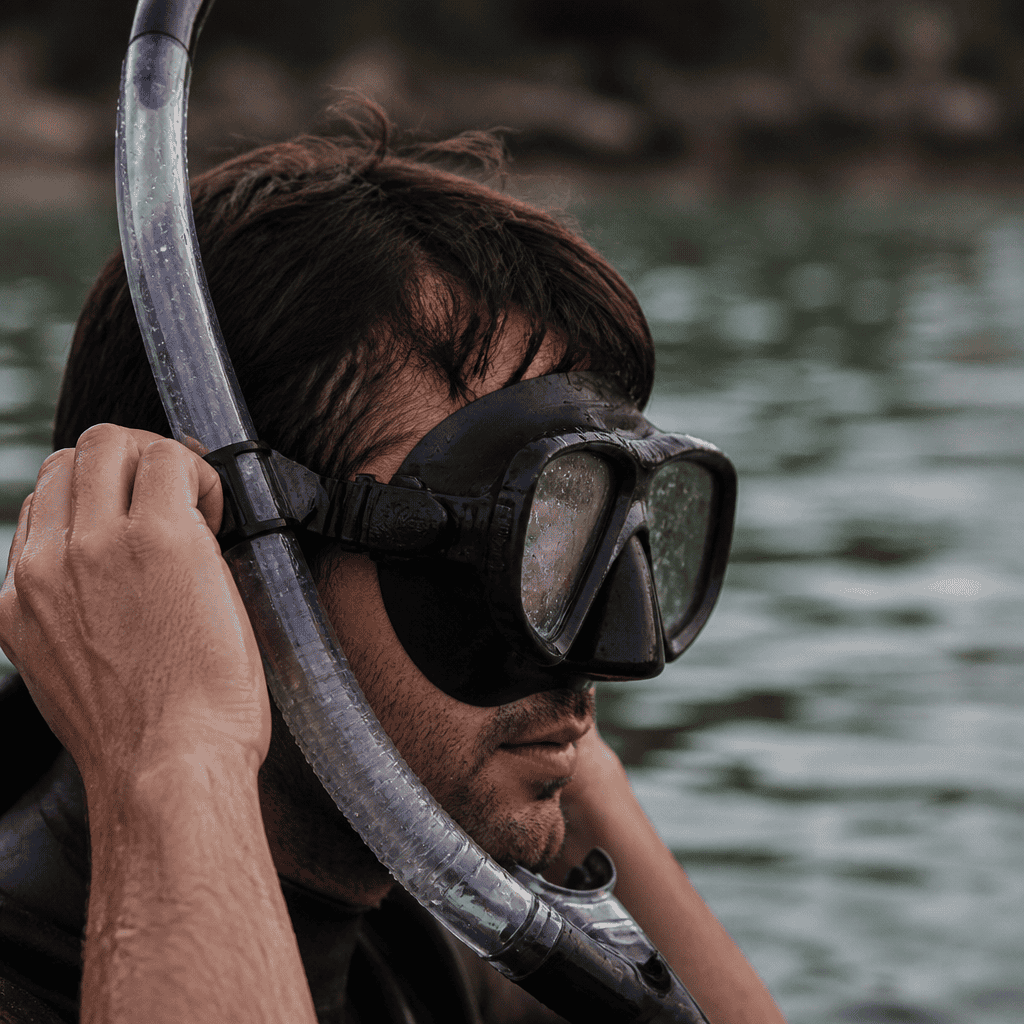
Equipment-related mistakes in snorkeling involve incorrect selection, improper fit, and misuse of gear such as masks, snorkels, and fins. According to the Divers Alert Network, ill-fitting masks cause up to 30% of beginner snorkeling frustrations due to leaks and fogging. Dr. Samantha Lewis, a marine sports safety expert, defines equipment-related snorkeling errors as “mistakes that compromise the functionality or comfort of snorkeling gear, ultimately affecting the snorkeler’s ability to breathe and see clearly underwater.” Key characteristics include mask leakage, snorkel flooding, and improperly sized fins, each leading to discomfort, panic, or reduced underwater visibility.
Subcategories of equipment mistakes include:
- Mask Fit Errors: Incorrect sizing or failure to properly seal the mask to the face.
- Snorkel Misuse: Improper placement or failure to clear water from the snorkel tube.
- Fin Selection Issues: Using fins that are too large, too small, or not suited for the environment.
These equipment mistakes directly impact breathing efficiency and overall comfort, which are essential for safe snorkeling. Transitioning from equipment-focused errors naturally brings us to the critical aspect of breathing techniques in snorkeling.
Breathing Technique Errors in Snorkeling
Breathing technique errors refer to improper use of the snorkel for inhalation and exhalation, which can induce anxiety, water inhalation, or early fatigue. According to dive instructor and author Mike Harris, “mastering relaxed, deep breathing through the snorkel is crucial to maximizing oxygen intake and reducing panic underwater.” This attribute of successful snorkeling is characterized by a calm and rhythmic breathing pattern that prevents hyperventilation and water aspiration.
Improper Snorkel Breathing Definition and Consequences
Improper snorkel breathing occurs when snorkelers breathe too quickly or shallowly, leading to carbon dioxide buildup and respiratory discomfort. Research from the Journal of Sports Medicine highlights that novice snorkelers frequently exhibit improper breathing patterns in over 40% of practice sessions, increasing the risk of panic and fatigue.
Clearing Snorkel Water Mistakes
Failing to effectively clear water from the snorkel tube leads to choking or coughing episodes. Techniques such as the blast clearing method are recommended but often overlooked by beginners, leading to unnecessary distress underwater.
Understanding the importance of breathing techniques logically connects to the broader scope of safety and environmental mindfulness in snorkeling practices.
Safety and Environmental Awareness Mistakes While Snorkeling
Safety and environmental awareness mistakes encompass ignoring water conditions, marine life proximity, and environmental protection guidelines. The National Oceanic and Atmospheric Administration (NOAA) emphasizes that nearly 60% of snorkeling injuries result from a lack of attention to safety protocols or environmental hazards.
Ignoring Weather and Water Conditions
Disregarding tides, currents, or weather forecasts can lead to dangerous situations, including sudden strong currents or hypothermia. NOAA recommends always checking local conditions before snorkeling and using guide services for unfamiliar sites.
Disrespecting Marine Life and Coral Reefs
Touching or standing on coral reefs damages fragile ecosystems and endangers both snorkelers and marine species. Research from the Marine Conservation Institute indicates that coral reef damage from human contact accounts for a significant portion of reef degradation globally.
Addressing these safety and environmental concerns naturally leads to recognizing the role of physical fitness and preparation in enhancing snorkeling experiences.
Physical Preparation Mistakes in Snorkeling
Physical preparation mistakes concern inadequate conditioning, poor stamina, and lack of swimming skills. Dr. Andrea Collins, a sports medicine specialist, notes that physical unpreparedness “can cause rapid fatigue and increase risk of accidents in the water.” According to a 2023 survey by the Snorkeling Association International, over 25% of snorkeling incidents involved individuals with limited swimming ability or physical conditioning.
Lack of Swimming Skills and Endurance
Insufficient swimming proficiency reduces confidence and increases anxiety, reducing the ability to respond to water challenges. Endurance is critical as snorkeling sessions can last an hour or more, requiring sustained moderate exertion.
Ignoring Hydration and Sun Protection
Dehydration and sunburn can induce discomfort and disorientation, affecting performance. Experts recommend adequate fluid intake and application of reef-safe sunscreen prior to snorkeling activity.
Conclusion: Avoiding Common Snorkeling Mistakes to Enhance Experience
In sum, common snorkeling mistakes—ranging from equipment errors, poor breathing techniques, neglect of safety and environmental protocols, to inadequate physical preparation—significantly impact both safety and enjoyment underwater. Understanding and addressing these mistakes through proper gear selection, mastering breathing methods, respecting marine environments, and preparing physically can transform snorkeling from a potentially frustrating endeavor into a memorable and rewarding experience. For those interested in further improving their skills, engaging in guided snorkeling courses and consulting safety resources from NOAA or recognized diving organizations is recommended. By learning from these common pitfalls, snorkelers can better appreciate the vibrant underwater world while preserving it for future generations.