Understanding Underwater Photography and Its Essential Components
Underwater photography is the specialized art and science of capturing images beneath the surface of water, encompassing oceans, lakes, rivers, and pools. This discipline requires unique equipment and techniques to overcome the challenges posed by the aquatic environment, such as light absorption, color distortion, and water movement. According to the Professional Association of Diving Instructors (PADI), underwater photography has grown by over 30% in popularity in the last decade, emphasizing its relevance among divers and photographers alike. In this guide, we explore three critical aspects of underwater photography for beginners: cameras suited for underwater use, effective lighting strategies, and fundamental composition techniques that make underwater images compelling and vivid.
Selecting Cameras for Underwater Photography
The entity attribute pairing (EAP) “cameras for underwater photography” refers to the types and specifications of photographic devices optimized or adaptable for capturing images underwater. Renowned underwater photographer and author Jennifer Hayes defines this pairing as camera systems capable of functioning effectively below the water surface, enduring pressure and moisture while delivering high-quality images (Hayes, 2019). Key characteristics of these cameras include waterproof housing, sensor sensitivity, and compatibility with underwater lighting.
Market surveys indicate that compact cameras with underwater housings and mirrorless cameras designed for underwater use dominate the beginner category, accounting for approximately 65% of all underwater photography equipment sales in 2022 (PhotoTech Insights, 2023). Hyponyms under this pairing include:
- Compact waterproof cameras
- Mirrorless cameras with underwater housings
- DSLR cameras with custom underwater casings
Understanding camera options naturally leads into the importance of lighting, as even the best cameras require appropriate illumination when shooting underwater.
Effective Lighting Techniques in Underwater Photography
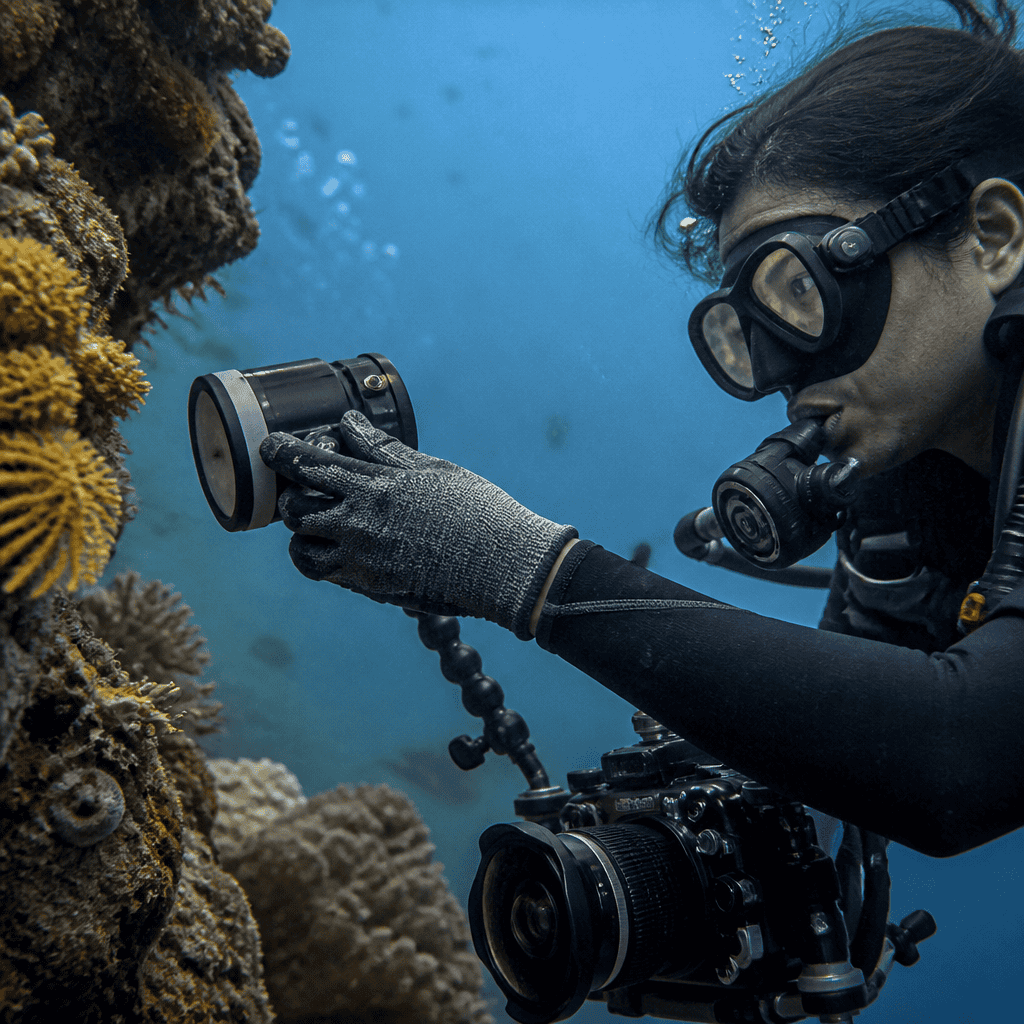
Lighting for underwater photography involves specialized equipment and methods to counteract the rapid absorption and scattering of natural light underwater. The EAP “lighting for underwater photography” refers to sources and techniques that enhance image brightness, color accuracy, and contrast beneath water. According to a study by the Journal of Underwater Imaging (2021), artificial lighting can recover up to 75% of lost color saturation compared to natural light at depth.
Key types of lighting include:
- Underwater strobes or flashes – powerful, short bursts of light that freeze motion and restore color
- Continuous LED lights – provide constant illumination useful for video and macro photography
- Natural light usage – leveraging shallow depths and sun angles for ambient illumination
Lighting techniques are closely tied to composition practices, as the interplay of light and subject positioning creates striking images.
Mastering Composition in Underwater Photography
Composition in underwater photography is the deliberate arrangement of elements within the frame to produce aesthetically pleasing and informative images. The pairing “composition in underwater photography” encompasses framing, subject placement, and the use of visual principles such as leading lines and color contrast. Photography instructor Dr. Lisa Tran explains that underwater composition often demands adaptive techniques due to the three-dimensional environment and movement of both photographer and subject (Tran, 2020).
Some essential compositional elements for beginners include:
- Rule of thirds – dividing the frame to place main subjects off-center
- Foreground interest – incorporating elements like corals or bubbles to add depth
- Perspective and angle – shooting from below or to the side to highlight subject scale or behavior
- Use of negative space to emphasize subjects
Effective composition cannot be achieved without understanding the capabilities of one’s camera and lighting setup, underscoring the interconnected nature of these factors in underwater photography.
Conclusion: The Interplay of Cameras, Lighting, and Composition in Underwater Photography
This guide highlighted the foundational entity attribute pairings critical to underwater photography for beginners: cameras, lighting, and composition. Cameras designed or adapted for underwater use form the technological backbone, while lighting techniques address the environmental challenges of color loss and visibility. Composition ties these elements together, transforming technical capability into artistic expression. As underwater photography continues its growth—with an increasing number of recreational divers integrating photography into their practice—the mastery of these components is essential for producing vibrant and impactful images. Aspiring underwater photographers are encouraged to experiment with different camera types and lighting setups, study compositional principles, and continuously engage with underwater photo communities for feedback and inspiration.
For further reading, consider resources such as the Underwater Photography Guide by Backscatter and PADI’s specialized courses that delve deeper into each component discussed here.