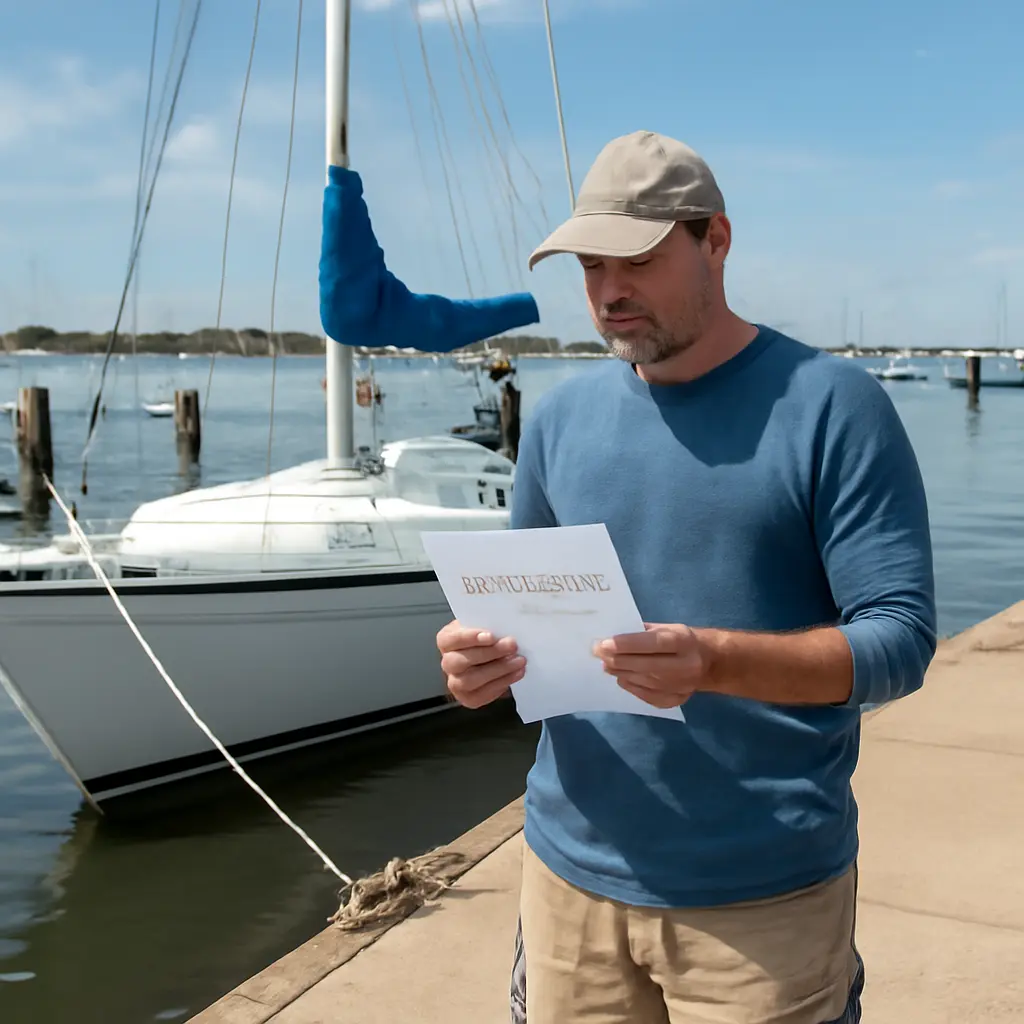
A liveaboard is a boat used as a person’s primary or full-time home, and insuring one usually costs more—and requires more specialized underwriting—than insuring a boat used occasionally for recreation. There is no reliable single national price: premiums depend on the vessel’s value, age, condition, location, cruising range, hurricane exposure, and the owner’s experience. As a practical planning estimate, many owners may encounter annual premiums in the low thousands of dollars, while higher-value boats, riskier cruising plans, or limited coverage can push costs substantially higher. The best way to budget is to compare quotes on identical coverage and account for deductibles, exclusions, haul-out requirements, and liability limits—not just the headline premium.
What determines liveaboard insurance cost?
Boat insurance is a contract that can cover specified physical damage to a vessel and liability for certain injuries or property damage. The Insurance Information Institute explains that boat policies commonly combine physical-damage and liability coverage, but protections and exclusions vary by insurer and policy. A liveaboard policy is not automatically the same as a standard recreational boat policy: insurers may ask whether the boat is your principal residence, how often it is occupied, where it is kept, and how far it travels.
A frequently cited planning range for boat insurance is roughly 1% to 2% of insured vessel value per year, but this is only a rule of thumb—not an official liveaboard average or a guaranteed quote. A $150,000 boat might therefore produce an illustrative annual premium of $1,500 to $3,000 before adjustments. A liveaboard’s actual price may fall outside that range, especially where the boat is older, resides in a hurricane-prone area, cruises offshore, or has an unusual construction or claims history.
Insured value, age, and condition
The insured value is the amount used to determine how the boat is covered and, often, a major input in pricing. Insurers may distinguish between agreed-value coverage, which sets a value with the insurer when the policy begins, and actual-cash-value coverage, which accounts for depreciation when settling a covered loss. The policy wording controls how a claim is paid.
A survey can be important for older or higher-value boats. Insurers may request a marine survey to assess hull, machinery, electrical systems, safety equipment, and maintenance. Deficiencies can lead to required repairs, coverage restrictions, or a decline. A documented maintenance record and prompt completion of survey recommendations can help demonstrate that the vessel is being responsibly managed, though they do not guarantee a lower premium.
Location, navigation limits, and storm exposure
Where a boat is moored and where it may navigate affect exposure to theft, collision, severe weather, and salvage costs. A policy may define a navigation territory and restrict travel outside it. Coastal and hurricane-exposed locations can involve special deductibles, named-storm conditions, or requirements to move or haul out the vessel when a storm approaches. Those requirements matter especially to liveaboards, who may need to arrange a safe destination and temporary housing.
The National Oceanic and Atmospheric Administration’s National Hurricane Center tracks tropical cyclones and publishes forecasts and preparedness guidance. Its data are a useful reminder that storm exposure is not merely a theoretical underwriting issue: a boat’s location, hurricane plan, and compliance with policy conditions can affect both risk and the handling of a claim.
Experience, use, and claims history
Insurers commonly ask about the operator’s boating experience, licensing or training, prior claims, and intended use. A boat used for private cruising may be rated differently from one used for charter, commercial work, or occasional rental. Misstating how the vessel is used can create coverage problems, so disclose liveaboard status and any income-generating activity before binding a policy.
The U.S. Coast Guard’s annual recreational-boating statistics document reported accidents, fatalities, and property damage. These figures do not predict an individual owner’s premium, but they show why insurers consider operator behavior, safety equipment, and navigational risk when evaluating a boat.
What coverage should a liveaboard compare?
A premium is meaningful only when compared with the protection it buys. Liveaboards should review physical-damage coverage, liability limits, personal property, emergency assistance, and the policy’s treatment of living aboard. Coverage terms differ, and a boat policy should not be assumed to insure every belonging or living expense associated with a loss.
Hull and machinery coverage
Hull and machinery coverage applies to specified physical damage to the vessel, subject to the policy’s valuation method, deductible, exclusions, and conditions. Ask whether the policy covers the hull, engine, onboard systems, tenders, and permanently installed equipment, and how it handles partial losses, total losses, salvage, and wreck removal.
Pay particular attention to exclusions for wear and tear, corrosion, gradual deterioration, manufacturer defects, and lack of maintenance. Insurance is generally designed for covered fortuitous losses, not routine upkeep. A lower premium can be a poor bargain if the deductible is unaffordable or the policy excludes a major risk relevant to the boat.
Protection and indemnity liability
Protection and indemnity, commonly called P&I, is liability coverage for specified legal responsibility involving bodily injury or property damage. For a liveaboard, compare the limit with the value of nearby boats, marina property, and potential injury claims. Marinas may set minimum liability requirements before allowing a vessel to stay at a slip, so check the marina agreement as well as the insurance policy.
Ask whether the policy includes pollution liability, wreck removal, and legal-defense costs, and whether those amounts sit within or outside the stated liability limit. The answer can materially change the protection even when two quotes show the same headline limit.
Personal belongings and temporary living costs
Boat insurance may limit or exclude personal effects, electronics, clothing, and other belongings. A homeowner’s or renter’s policy may cover some possessions, but coverage for property kept aboard or while cruising can be limited. Ask both insurers how they coordinate coverage and whether the boat policy offers a personal-effects extension.
Also ask whether the policy pays for temporary accommodation if a covered casualty makes the boat uninhabitable. Do not assume that a liveaboard arrangement automatically includes loss-of-use or alternative-housing benefits. Confirm limits, waiting periods, and whether the benefit applies only after a covered physical loss.
Hurricane, haul-out, and named-storm terms
A named-storm deductible can be calculated differently from the standard deductible, sometimes as a percentage of the insured value. For example, a 5% deductible on a $200,000 insured value would equal $10,000 if the policy applies the percentage to that value. Read the exact wording: the calculation base and the events that trigger the deductible vary.
Some policies require a written storm plan, pre-storm haul-out, secure mooring, or relocation from a designated area. Confirm who pays for haul-out and storage, how much advance notice is required, and what happens if a marina or yard is unavailable. A plan that works for a weekend boater may not be practical for someone living aboard year-round.
How to estimate and reduce the cost responsibly
The most useful estimate comes from multiple insurers or a marine insurance broker using the same vessel details and coverage limits. Provide an accurate description of the boat, its value, survey results, mooring, cruising territory, liveaboard use, and claims history. Then compare total cost and contract terms rather than choosing solely by price.
Build a realistic annual budget
A liveaboard budget should include more than the premium. Add the standard deductible, any percentage-based storm deductible, survey and inspection expenses, required safety upgrades, haul-out or storage costs, and possible uninsured repairs. Keep a separate emergency reserve for losses that are excluded or fall below the deductible.
For an initial planning exercise, apply the 1%–2% rule of thumb to the boat’s expected insured value, then treat the result as a placeholder—not a quote. Obtain written quotes before purchasing the boat or committing to a marina, because underwriting appetite and requirements can differ sharply between vessels and locations.
Ways to improve insurability
Owners may be able to improve their risk profile by completing recognized boating-safety training, maintaining a clean claims record, installing appropriate safety and security equipment, keeping maintenance records, and addressing survey findings. Increasing a deductible can reduce the quoted premium in some cases, but only choose a deductible you could pay promptly after a loss.
Do not reduce navigation limits, omit liveaboard status, or understate vessel value simply to obtain a lower quote. Any apparent saving can be outweighed by a coverage dispute or an inadequate claim settlement. Ask the broker to explain exclusions and conditions in writing, particularly those related to storm preparation, unattended operation, and use outside the declared cruising area.
Questions to ask before binding coverage
- Does the insurer explicitly accept full-time liveaboard use?
- Is the vessel insured at agreed value or actual cash value, and how is a total loss settled?
- What are the standard, hurricane, and named-storm deductibles?
- What navigation territory and seasonal restrictions apply?
- Are salvage, wreck removal, pollution liability, and legal-defense costs covered, and within what limits?
- Are personal belongings and temporary accommodation covered?
- What survey findings, maintenance work, or storm-plan requirements must be completed?
- Does the marina require liability limits or additional-insured wording?
Conclusion: budget for the policy, not just the premium
Liveaboard insurance cost depends on the boat’s insured value and condition, the owner’s experience, the vessel’s location and cruising range, and the coverage selected. A rough 1%–2% of value estimate can help start a budget, but it is not a substitute for liveaboard-specific quotes. Hull and machinery, P&I liability, personal effects, temporary accommodation, and storm conditions all deserve close comparison.
Before buying or moving aboard, disclose the intended use, request written quotes, review every deductible and exclusion, and confirm that the policy satisfies marina requirements. For further guidance, consult a marine insurance broker, your state insurance regulator, and the insurer’s complete policy wording. Treating insurance as part of the vessel’s total ownership cost can help protect both your boat and your home afloat.
Sources: Insurance Information Institute, Boat Insurance; https://www.iii.org/article/boat-insurance; National Oceanic and Atmospheric Administration, National Hurricane Center, Tropical Cyclone Climatology; https://www.nhc.noaa.gov/climo/; U.S. Coast Guard, Recreational Boating Statistics; https://www.uscgboating.org/library/accident-statistics/; National Association of Insurance Commissioners, Consumer Insurance Search and Resources; https://content.naic.org/consumer.