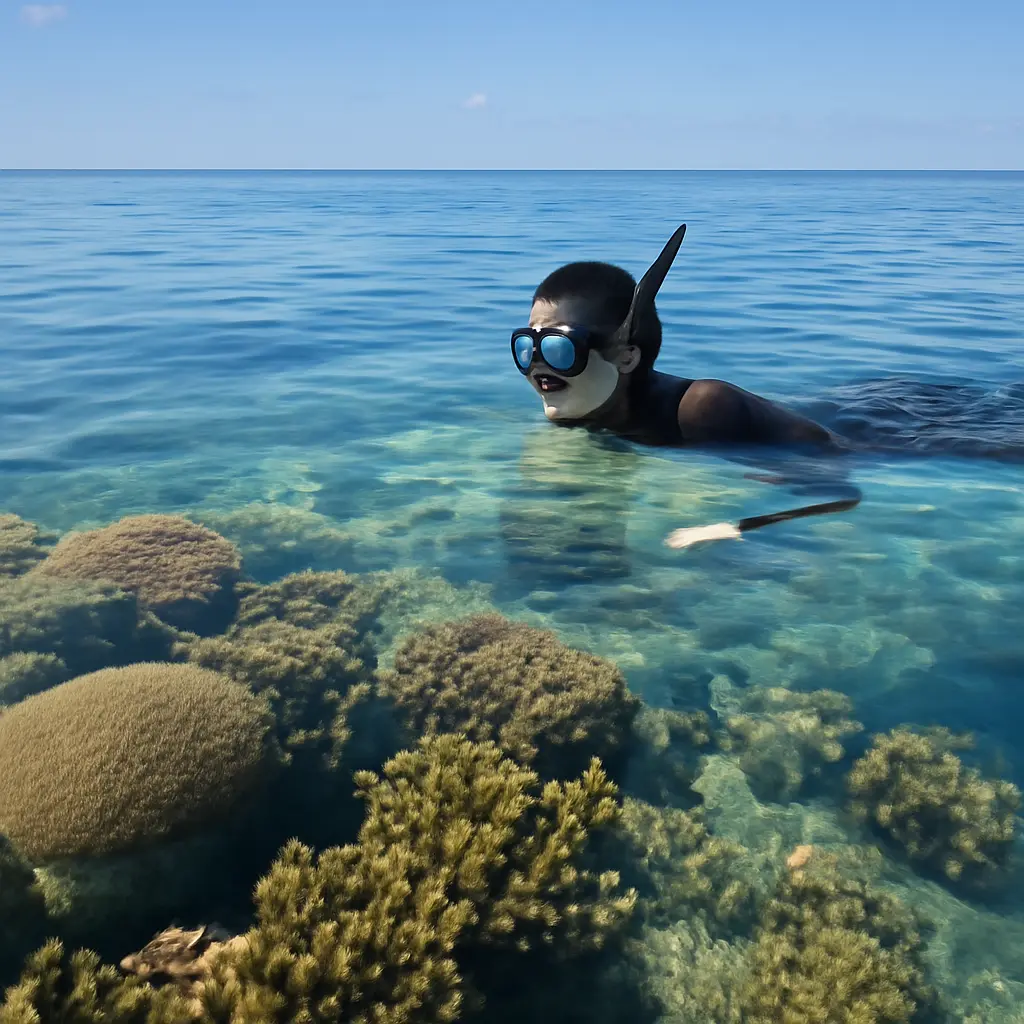
Parental Misconceptions and Scuba Diving Age Rules in Youth Safety
Scuba diving is an adventurous underwater activity that allows individuals to explore marine ecosystems safely when following established safety protocols and age regulations. However, common misconceptions among parents about scuba diving age restrictions and safety precautions can inadvertently put young divers at risk or unnecessarily limit their access to the sport. According to the Professional Association of Diving Instructors (PADI), the minimum age for scuba certification is generally 10 years old, with specific program variations for younger participants. This article explores the prevalent mistakes parents make regarding scuba diving age rules and safety, emphasizing the importance of accurate knowledge to protect children while fostering their interest in diving. It will examine definitions and statistics related to age regulations, discuss safety concerns, and provide guidance to align parental perceptions with industry standards and expert recommendations.
Understanding Scuba Diving Age Rules and Parental Misconceptions
Scuba diving age rules refer to the set of internationally recognized minimum age requirements established by certifying organizations to ensure diver safety and readiness. For example, PADI defines age limits tailored to different certification levels: the “Junior Open Water Diver” course is available from age 10, while full Open Water certification typically requires a minimum age of 15. These age thresholds are based on physiological and cognitive development considerations and input from diving medicine experts. Despite clear guidelines, parents often misunderstand or confuse these age requirements, leading either to premature exposure or unwarranted restrictions on young divers.
Key characteristics of scuba diving age rules include progressive skill development, psychological fitness assessment, and tailored training content suited to the age group. Hyponyms of these rules include Junior Scuba Certifications, Bubblemaker Programs (for children as young as 8 in confined water), and Youth Snorkeling Education. Each program is designed to cater to children’s varying maturity levels, focusing on safety and gradual introduction to diving principles.
Clarifying these rules helps bridge common misunderstandings, setting a foundation for addressing safety concerns parents often raise regarding their child’s participation in scuba diving activities.
Age Regulations in Scuba Certification Programs
Age regulations serve as a safety framework defined by reputable institutions like PADI, SSI (Scuba Schools International), and NAUI (National Association of Underwater Instructors). These organizations set minimum age limits based on developmental readiness. For instance, PADI’s Junior Open Water course can be undertaken at age 10, but divers under 15 have depth and supervision restrictions. According to the Divers Alert Network (DAN), most injuries and fatalities in diving occur among inexperienced divers, underscoring the importance of age-appropriate training and supervision.
A study by the British Sub-Aqua Club (BSAC) found that adherence to age-related safety standards reduces the risk of diving-related injuries by over 60% in younger participants. Therefore, understanding and respecting these regulations is essential in preventing physical and psychological strain on child divers.
Safety Concerns and Common Parental Misconceptions
Many parents incorrectly believe that scuba diving is inherently dangerous for children regardless of safety measures or certification. This misconception often stems from lack of awareness about the structured training and controlled environments in junior diving programs. For example, some parents assume their child must be at least 15 to dive, not realizing that Junior Open Water programs have specific safeguards designed to mitigate risk.
Another frequent error is underestimating the importance of proper health clearances and swim competency before diving. The Divers Alert Network recommends that all young divers undergo a medical evaluation and complete swimming proficiency tests to ensure safety. Overprotective attitudes may inadvertently reduce children’s confidence and delay skill acquisition in the sport.
Psychological and Physical Readiness in Young Divers
Effective scuba training for children considers both physiological and psychological readiness. Diving requires controlled breathing, pressure equalization, and the ability to respond calmly in emergency scenarios. According to Dr. Michael Lang, a diving medicine expert, children under 10 generally lack the lung capacity and emotional maturity for open water diving, which justifies the minimum age requirements.
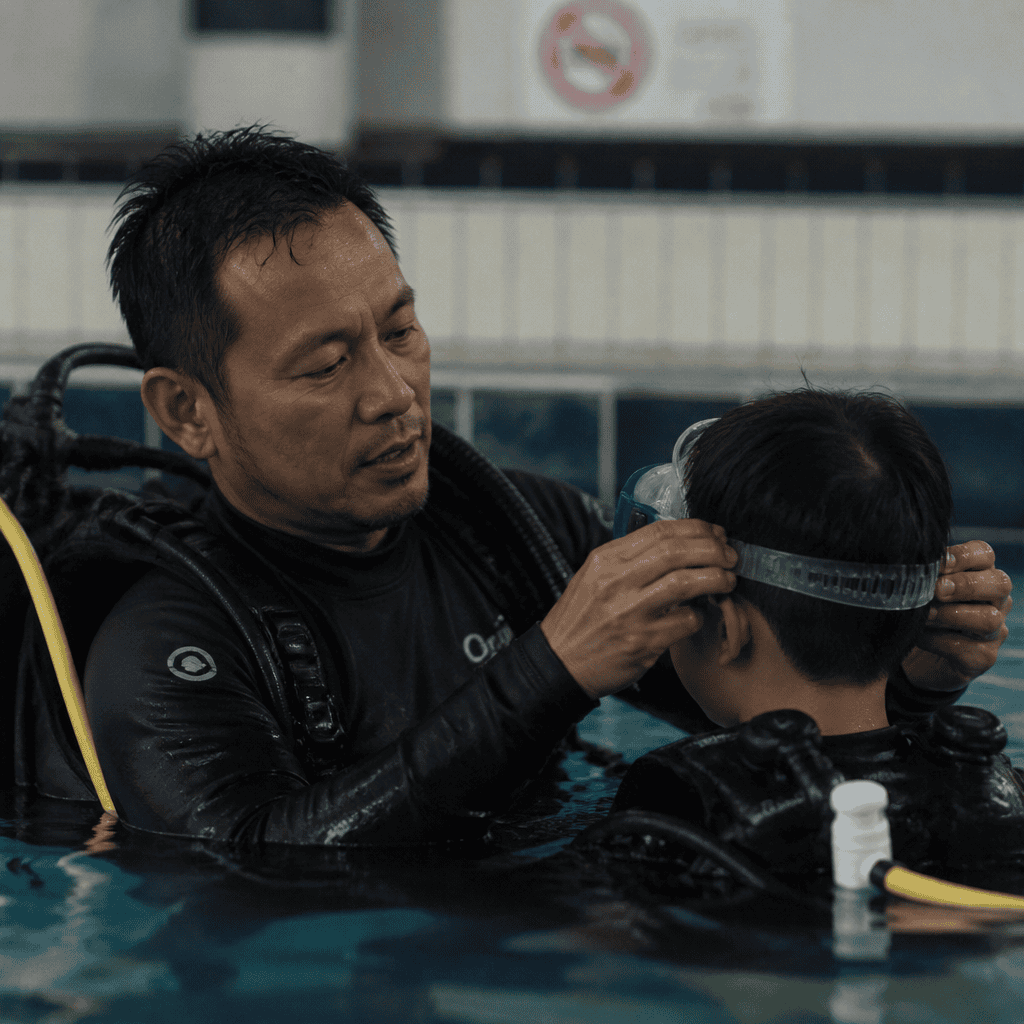
Programs like PADI’s Bubblemaker provide safe, shallow pool experiences that help build foundational skills without exposing children to full open water risks. Statistics from PADI reveal that over 150,000 children worldwide have safely completed these programs, demonstrating their efficacy when parents and instructors follow established guidelines.
Best Practices for Parents to Align with Age Rules and Dive Safety
For parents to support their children’s safe entry into scuba diving, they must familiarize themselves with established age requirements and partner with certified instructors who specialize in youth training. Prioritizing medical assessments, choosing age-appropriate courses, and fostering realistic expectations about skill acquisition are vital.
Real-world examples highlight the importance of adherence to these practices. In 2018, a youth diver in Australia successfully avoided decompression sickness due to strict supervision and training adapted to his age. Conversely, improper early exposure cases documented by the Divers Alert Network reinforce the dangers of flouting age and safety protocols.
Partnering with Certified Training Agencies
Certified agencies provide structured programs and ensure instructors are trained in youth-specific safety needs. Parents should verify the credentials of dive schools and instructors. PADI and SSI maintain registries of accredited facilities worldwide, emphasizing transparency and safety compliance.
Health and Fitness Evaluations Prior to Diving
Medical clearance, including cardiovascular and respiratory assessments, is a prerequisite for youth scuba certification. A 2021 study published in the International Journal of Aquatic Research and Education identified that pre-dive health screening reduces diving accidents among youth by approximately 45%. Parents should ensure children meet these standards before enrolling in courses.
Encouraging Gradual Skill Development and Confidence Building
Progressive training from pool sessions to open water dives allows children to build experience safely. Programs are designed to foster confidence and teach emergency procedures suited to their developmental stage, minimizing anxiety and increasing enjoyment, which are essential for long-term engagement in the sport.
Conclusion: Aligning Parental Understanding with Scuba Diving Age and Safety Standards
Parents who grasp the importance of scuba diving age rules and adhere to safety protocols play a crucial role in protecting their children while nurturing an appreciation for underwater exploration. Misconceptions about age limits and safety can lead to missed opportunities or dangerous situations. By utilizing certified programs, ensuring medical and psychological readiness, and fostering gradual skill development, parents can support healthy, safe diving experiences for their children.
Further reading on youth diving safety is available through the Professional Association of Diving Instructors (PADI) and the Divers Alert Network (DAN), which offer comprehensive guidelines and resources. Parents are encouraged to consult these sources and certified dive professionals before introducing their children to scuba diving, ensuring informed, safe participation in this rewarding activity.