Experienced Snorkelers’ Insights Before Ocean Snorkeling
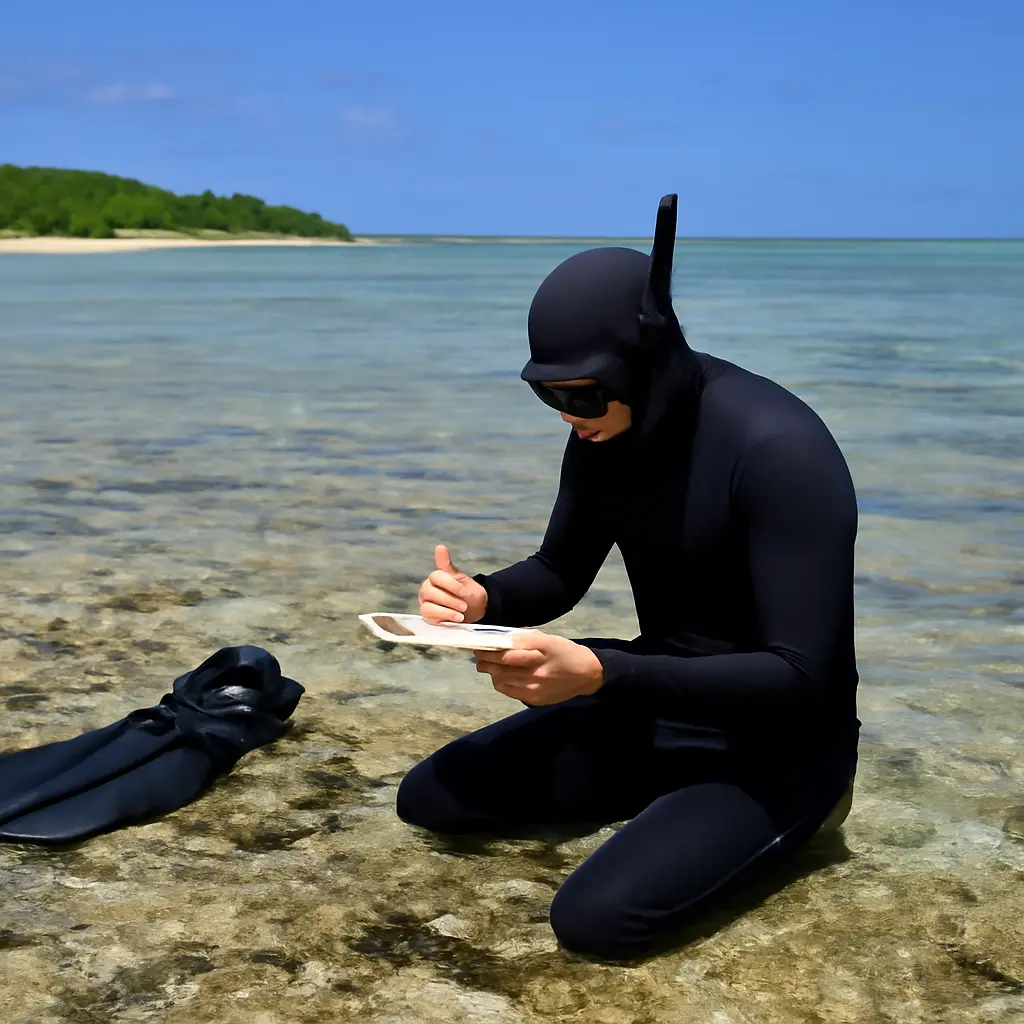
Snorkeling, defined as swimming near the water’s surface while equipped with a mask and breathing tube, allows individuals to explore underwater environments recreationally. Experienced snorkelers, with extensive time spent in various marine settings, often reflect on what they wish they had known before their first ocean snorkeling adventure. These insights include understanding ocean conditions, gear selection, safety awareness, and environmental respect. According to the Professional Association of Diving Instructors (PADI), over 3.8 million people worldwide engage in snorkeling each year, emphasizing the activity’s popularity and the importance of proper preparation. Covering topics such as ocean dynamics, essential equipment choices, environmental considerations, and safety protocols, this article synthesizes insights from seasoned snorkelers to guide novices towards a safer and more enjoyable experience.
Understanding Ocean Conditions for Experienced Snorkelers
Ocean conditions encompass the dynamic and variable nature of tides, currents, waves, and weather that affect snorkeling experiences. Dr. Sylvia Earle, a renowned marine biologist, describes ocean conditions as “the natural forces and phenomena that influence the marine environment and human interaction within it.” Key characteristics include tidal cycles, visibility variations, and water temperature, all of which dictate snorkeling safety and visibility.
Statistics from the National Oceanic and Atmospheric Administration (NOAA) indicate that ocean currents can reach speeds exceeding 5 knots in some areas, which can challenge even experienced swimmers. Hyponyms of ocean conditions include rip currents, swell size, and water turbidity, each affecting snorkeling differently. Understanding these elements helps snorkelers prevent dangerous situations, such as getting caught in a rip current or misjudging the impact of strong waves.
Tides and Currents
Tides result from gravitational forces primarily exerted by the moon and sun, causing the ocean water level to rise and fall cyclically. Snorkelers must recognize how tides influence snorkeling depth and accessibility to reef areas. Currents, meanwhile, are horizontal flows of water that can carry snorkelers unexpectedly. NOAA reports that most snorkeling accidents are associated with unanticipated current strength, emphasizing the need to review local tidal charts.
Water Visibility and Temperature
Visibility is critical for safety and enjoyment; poor visibility increases collision risk with underwater obstacles and marine life. The Caribbean Sea, for example, often boasts visibility over 30 meters (approx. 100 feet), while some coastal zones may drop below 5 meters due to sediment. Water temperature influences comfort and duration of snorkeling; thermal protection like wetsuits may be required below 23°C (73°F).
Essential Gear and Equipment Considerations for Snorkelers
Gear selection significantly impacts snorkelers’ performance and safety. The entity attribute pairing here, “Essential Gear for Snorkelers,” refers to the recommended equipment needed for efficient and secure snorkeling practices. According to the Recreational Scuba Training Council (RSTC), high-quality masks with tempered glass, snorkels with purge valves, and fins that match the user’s swimming style are indispensable for an optimal experience.
Hyponyms of essential gear include full-face masks, snorkel vests, and wetsuits, varying based on conditions and personal preference. Experienced snorkelers often emphasize the importance of mask fit to avoid leaks and fogging, snorkel design for effortless breathing, and fins that provide propulsion without excessive fatigue. These choices affect not only comfort but also safety when navigating diverse underwater environments.
Mask Selection and Maintenance
A well-fitting mask creates a watertight seal, which is crucial to prevent leaks and maintain clear vision underwater. Studies by the Snorkeling Safety Foundation underscored that 70% of beginner snorkeler discomfort stems from poorly fitting masks. Proper cleaning and defogging techniques also enhance visibility.
Snorkel Types and Usage
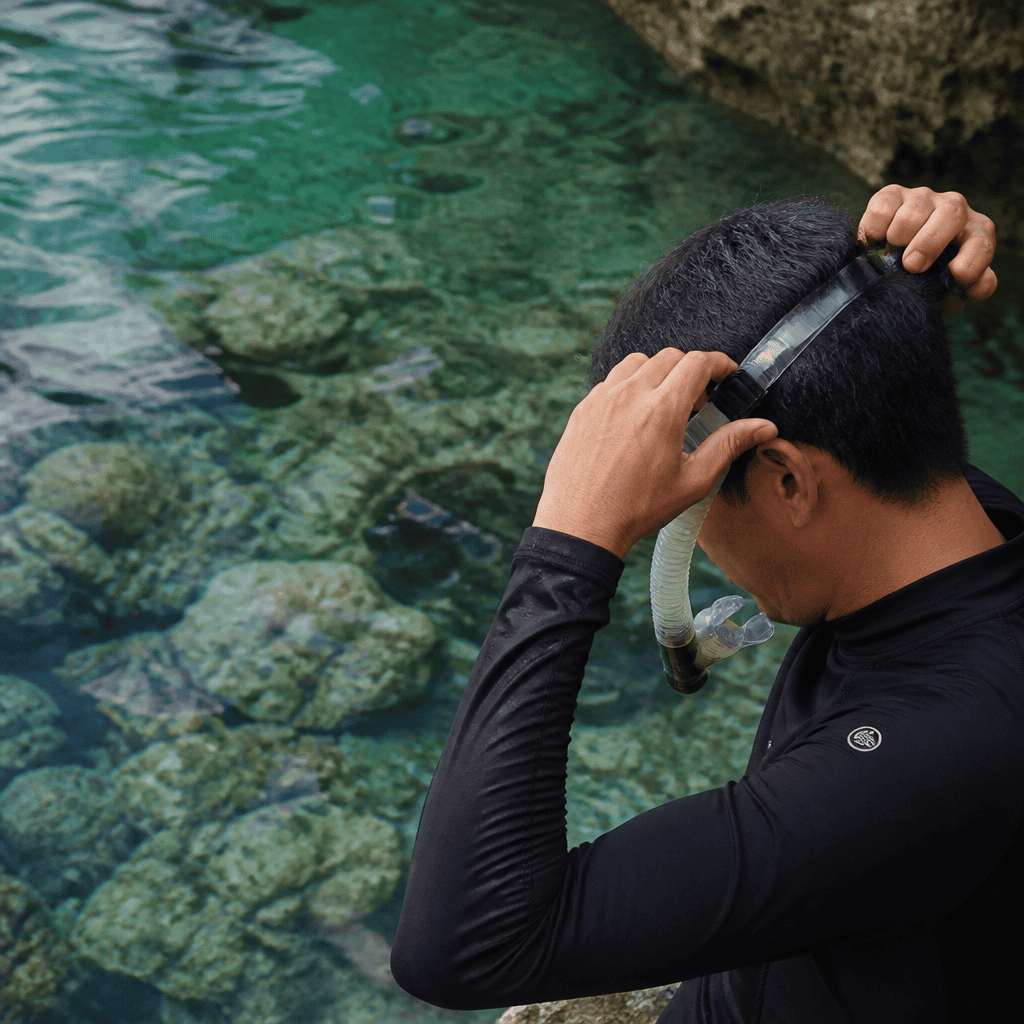
There are traditional snorkels, dry snorkels (with splash guards), and semi-dry snorkels, each designed to reduce water intake and facilitate breathing. Dry snorkels are favored by many experienced snorkelers in rough ocean conditions to minimize the risk of water flooding. Studies indicate dry snorkels reduce water ingress by approximately 90% compared to traditional models.
Safety Awareness and Risk Management in Ocean Snorkeling
Safety awareness is a critical attribute in successful snorkeling, defined as the understanding and application of practices that minimize risk. The World Health Organization (WHO) estimates drowning accounts for roughly 320,000 deaths worldwide annually, with many linked to water activity mismanagement, including snorkeling.
Hyponyms under safety awareness include buddy systems, emergency signaling, and hazard recognition. Experienced snorkelers advocate for never snorkeling alone, knowing hand signals for distress, and being alert to marine life behavior. Awareness of one’s physical limits and environmental hazards such as sharp coral or jellyfish contributes to reducing incidents.
Buddy System and Communication
The buddy system is a fundamental safety practice requiring snorkelers to pair up to monitor and assist each other. Research by the American Red Cross shows that snorkeling accidents decrease by over 50% when using the buddy system. Clear communication through predetermined hand signals ensures prompt help in case of distress.
Hazard Recognition
Recognizing hazards involves understanding local marine wildlife, currents, and underwater terrain. For example, stingrays and lionfish are common in certain tropical reefs and can pose risks if inadvertently provoked. Additionally, coral cuts are a frequent cause of minor injuries among snorkelers, making spatial awareness vital.
Environmental Respect and Conservation Ethics in Snorkeling
Environmental respect encapsulates the ethical responsibility snorkelers hold in preserving marine ecosystems. According to the United Nations Environment Programme (UNEP), coral reefs support over 25% of marine biodiversity but face threats from human activities including careless snorkeling. Snorkelers must understand the delicate balance of these environments and adopt practices that minimize impact.
Hyponyms related to this attribute include reef-safe sunscreen usage, no-touch policies, and underwater litter avoidance. Experienced snorkelers emphasize that touching or stepping on coral can damage the ecosystem and expose humans to harmful toxins. Conservation-minded snorkeling benefits both the environment and the quality of future snorkeling experiences.
Reef-Safe Sunscreens and Pollution Prevention
Chemical sunscreens containing oxybenzone and octinoxate have been shown to bleach corals and disrupt marine life. The Environmental Working Group (EWG) recommends mineral-based sunscreens as safer alternatives. Additionally, minimizing plastic pollution by avoiding single-use items during snorkeling excursions supports marine health.
No-Touch and Responsible Behavior
Adhering to a strict no-touch policy prevents accidental harm to marine organisms and habitats. Educational initiatives by organizations like Project AWARE encourage snorkelers to maintain buoyancy control and avoid contact with marine life. This stewardship fosters sustainable marine tourism and enhances the snorkeling experience.
Conclusion: Integrating Experienced Snorkelers’ Wisdom for Novices
In summary, the insights experienced snorkelers wish they knew before their first ocean experience revolve around four core themes: understanding ocean conditions, selecting appropriate gear, maintaining safety awareness, and practicing environmental respect. Knowledge of tides, visibility, and currents sets the foundation for safe snorkeling. Equipping oneself with well-fitted masks, effective snorkels, and appropriate fins enhances both comfort and safety. Applying safety protocols like the buddy system and hazard awareness reduces risks, while environmental stewardship protects the underwater world for future generations. With snorkeling’s growing global popularity, adopting these lessons promises more rewarding and secure adventures. New snorkelers are encouraged to seek local guidance, participate in training courses, and engage in conservation efforts to maximize their enjoyment and minimize negative impacts.