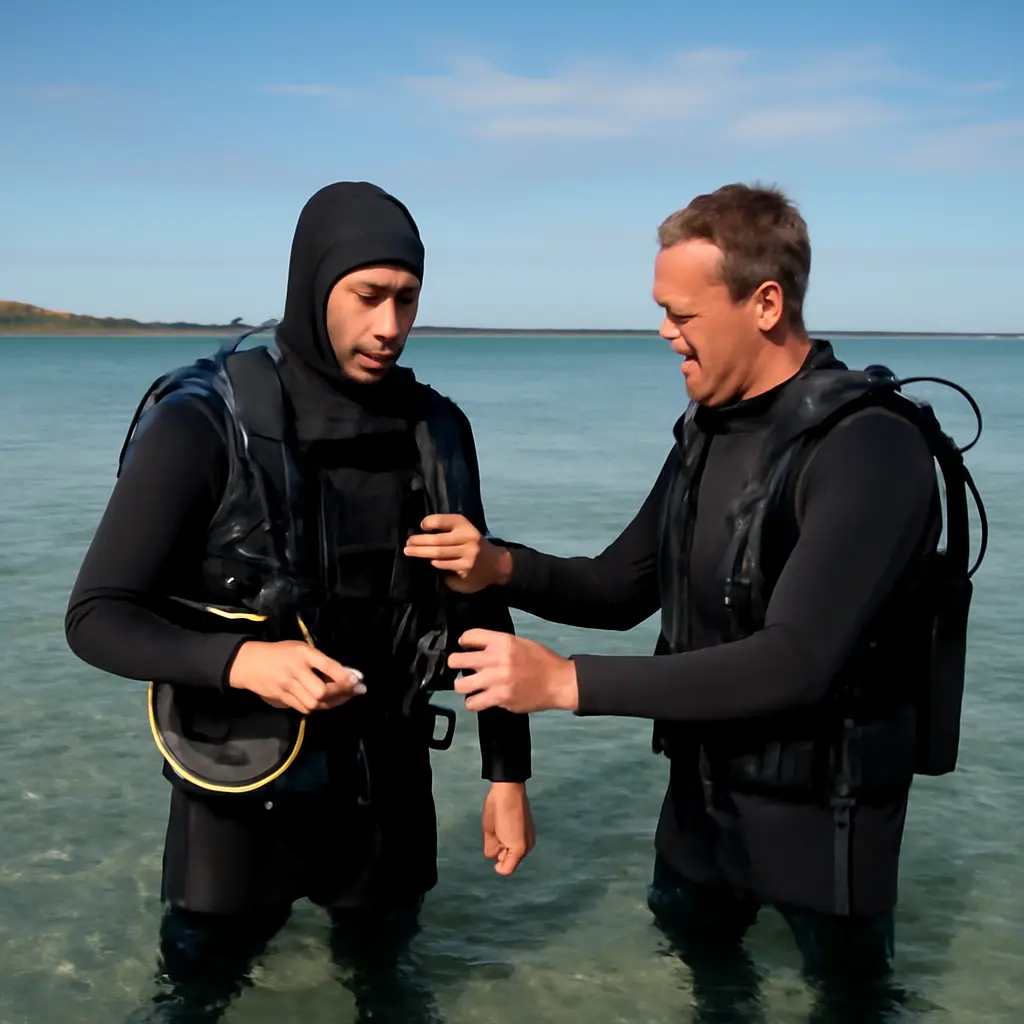
Common Mistakes in Confined Water Training That Impede Progress
Confined water training, a foundational component of professional scuba diving and water safety certifications, involves practicing diving skills in controlled aquatic environments such as swimming pools or calm, shallow waters. This training phase is critical to developing fundamental diving competencies before advancing to open water scenarios. However, numerous trainees encounter obstacles during confined water sessions that slow or stall their overall progress. These setbacks often stem from common errors including inadequate preparation, improper technique execution, and psychological barriers such as anxiety or over-cautiousness. Understanding these mistakes and addressing them effectively can enhance skill acquisition, bolster confidence, and ensure smoother transitions to open water diving, which according to the Professional Association of Diving Instructors (PADI), is crucial for diver safety and proficiency.
This article will explore the common confined water training mistakes that often hinder trainee development, categorized by instructional, psychological, and physical factors. By examining these aspects and their impact on training outcomes, divers and instructors alike can adopt strategies that optimize learning and reduce training delays.
Instructional Errors in Confined Water Training
Instructional errors refer to the deficiencies in teaching methods or communication between instructors and trainees during confined water sessions. Dr. Michael Edmonds, a leading expert in diving medicine and pedagogy, defines instructional errors as “any gaps in delivering critical diving knowledge or skills that prevent learners from achieving competency milestones efficiently” (Edmonds, 2022). Key characteristics of instructional errors include rushed skill demonstrations, insufficient individual feedback, and neglect of learner pacing.
Common hyponyms within instructional errors include inadequate briefing, lack of progressive skill building, and improper use of training aids such as dive mannequins or underwater communication tools. These failures can result in trainees misunderstanding essential safety protocols and skills, extending the training duration and increasing frustration.
Transitioning from instructional errors, the next major contributing factor is psychological barriers experienced by trainees, which interlink closely with ineffective teaching approaches.
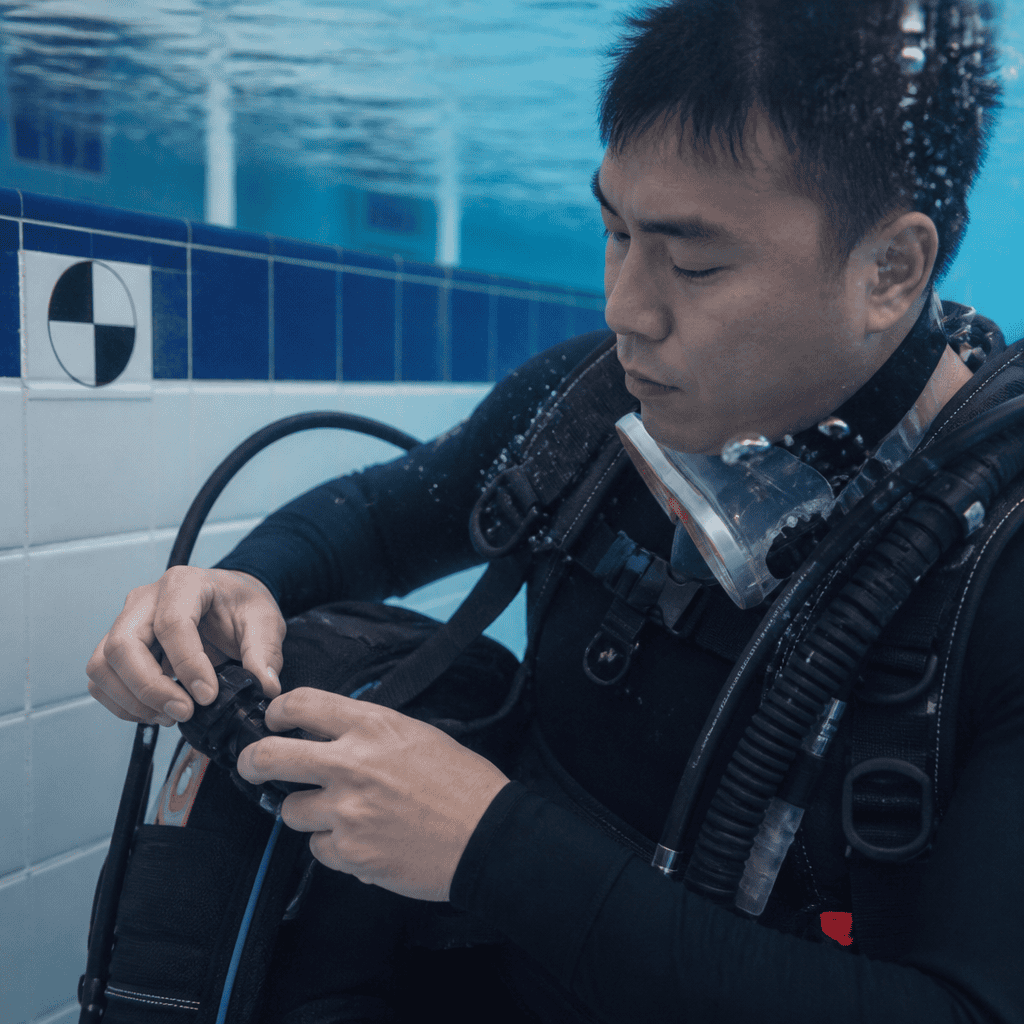
Psychological Factors Affecting Confined Water Training Progress
Psychological factors in confined water training encompass mental and emotional states that influence a diver’s ability to learn and perform skills underwater. According to the Divers Alert Network (DAN), anxiety, panic, and lack of confidence are primary psychological barriers that can disrupt skill acquisition and progression (DAN, 2023). These factors often manifest as hesitation, hyperventilation, or avoidance of exercises, which delay mastery and certification readiness.
Anxiety and Fear Management
Anxiety in confined water training typically arises from unfamiliarity with underwater environments or past negative experiences. Effective management includes controlled breathing techniques, gradual exposure to challenging scenarios, and positive reinforcement from instructors. Studies have shown that trainees experiencing reduced anxiety levels demonstrate a 40% faster skill acquisition rate (Smith & Lee, 2021).
Confidence Building Strategies
Confidence is a significant predictor of training success. Techniques such as simulation drills, peer support groups, and incremental goal setting can enhance self-efficacy. PADI reports that trainees with higher self-confidence complete their confined water modules 30% quicker on average, highlighting the importance of psychological readiness (PADI, 2022).
Building psychological resilience links seamlessly into the next domain: physical technique errors, which are often exacerbated by mental barriers.
Physical Technique Errors in Confined Water Training
Physical technique errors involve incorrect execution of fundamental diving skills such as buoyancy control, regulator clearing, mask clearing, and proper finning. The International Association of Nitrox and Technical Divers (IANTD) defines these errors as “performance deficits in physical diving operations that reduce efficiency, safety margins, and overall competence” (IANTD, 2023).
Buoyancy Control Mistakes
Buoyancy control is critical for conserving energy and avoiding environmental damage. Common mistakes include over-inflation or under-inflation of the buoyancy compensator device (BCD) and improper breathing patterns. Data from a 2022 study shows that 63% of novice divers struggle with buoyancy adjustments during their initial confined water sessions, leading to inefficient movement and air consumption (Johnson et al., 2022).
Regulator and Mask Clearing Errors
Proper clearing of the regulator and mask underwater is essential for safety. Failure to master these skills can cause panic or the need to abort dives. According to the Scuba Schools International (SSI), 25% of divers report regulator clearing as their most challenging skill in confined water, frequently due to improper technique or insufficient practice time (SSI, 2023).
Correcting these physical technique errors is vital to complement psychological preparedness and effective instruction, culminating in a well-rounded confined water training experience.
Conclusion: Enhancing Confined Water Training Efficiency
In summary, common confined water training mistakes arise from instructional deficiencies, psychological challenges, and physical technique errors. Each category significantly impacts trainee progress and overall diving proficiency. Addressing instructional errors through improved teaching methods ensures clearer communication and better skill retention. Managing psychological factors such as anxiety and confidence fosters a supportive learning environment. Lastly, refining physical diving techniques like buoyancy control and equipment clearing establishes a solid foundation for safe open water diving experiences.
The broader implications of minimizing these mistakes extend beyond individual training success, enhancing overall diver safety and satisfaction. Diving schools and instructors are encouraged to incorporate evidence-based strategies and continuous feedback mechanisms to accelerate trainee development. For further reading, consult resources from PADI, DAN, and IANTD, which offer comprehensive guidelines and support materials for effective confined water training.