Underwater Safety and Unpredictability
Underwater safety refers to the set of precautions, skills, and equipment used to minimize risks while engaging in underwater activities such as scuba diving or free diving. Given the dynamic and unpredictable nature of underwater environments, every dive presents unique challenges that demand adaptability and vigilance. According to the Divers Alert Network (DAN), approximately 96 fatalities related to diving occur annually in the United States alone, underscoring the ever-present risks involved. This article explores how divers can stay safe despite the unpredictable variables of each dive by examining fundamental safety principles, environmental factors, equipment reliability, and emergency preparedness.
Fundamental Safety Practices in Underwater Diving
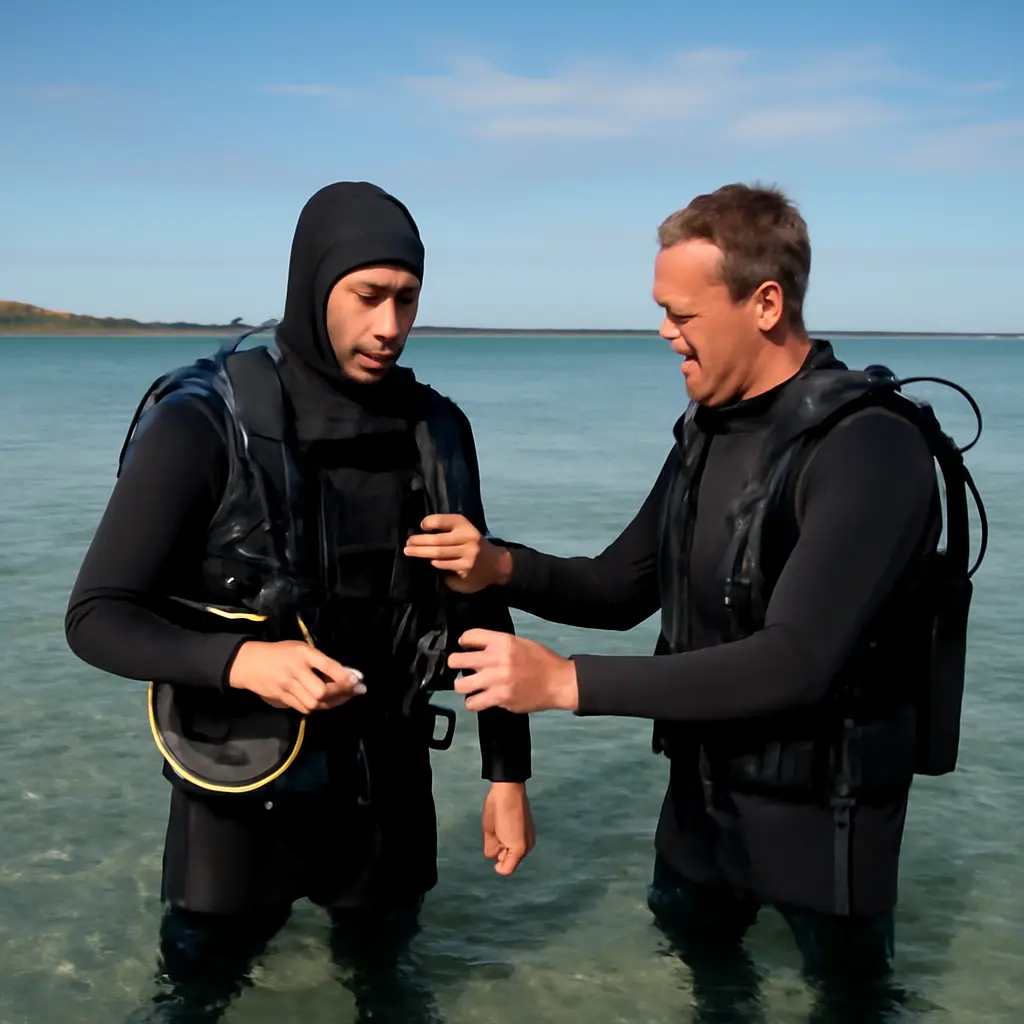
Fundamental safety practices in underwater diving encompass standardized protocols that reduce risk regardless of the dive site or conditions. The Professional Association of Diving Instructors (PADI) defines these practices as essential behaviors including pre-dive planning, equipment checks, and buddy system adherence. Such protocols account for the inherent unpredictability of underwater environments by emphasizing preparation and awareness.
Key characteristics of fundamental safety practices include thorough briefing, continuous communication between divers, and strict adherence to dive tables or computer guidelines to avoid decompression sickness. For instance, the implementation of the buddy system—pairing divers to monitor each other—has been credited with reducing lost diver incidents by over 60% (DAN, 2022).
Within this category, hyponyms include pre-dive safety checks, emergency ascent procedures, and underwater signaling techniques, all of which provide divers with structured responses to unexpected situations such as equipment failure or sudden changes in currents. These fundamental practices act as the foundation for more specialized safety approaches that address particular environmental or situational aspects.
Pre-Dive Safety Checks
Pre-dive safety checks involve verifying the operational status of all equipment, confirming gas levels, and reviewing dive plans. This process is crucial as equipment malfunction is a common cause of diving accidents. According to a 2019 DAN report, 34% of diving incidents involved equipment-related issues that could have been mitigated through proper checks.
Buddy System Effectiveness
The buddy system promotes shared responsibility, enabling mutual monitoring and assistance. Research shows it reduces fatal accidents because a partner can provide immediate aid or alert surface support. It is especially vital in unpredictable conditions where rapid response is necessary.
Environmental Unpredictability and Adaptive Safety Measures
Environmental unpredictability refers to the uncontrollable elements that affect diving conditions such as currents, visibility, temperature, and marine life behavior. The National Oceanic and Atmospheric Administration (NOAA) highlights that ocean currents can shift suddenly, impacting diver navigation and safety. Adaptive safety measures are strategies that divers employ to respond effectively to these changing conditions.
Key characteristics of environmental unpredictability include fluctuating water temperatures, unexpected weather changes, and variable underwater terrain. Hyponyms under adaptive safety measures include situational awareness, dive contingency planning, and environmental risk assessment. These practices ensure divers maintain control even when conditions deviate from expectations.
Situational Awareness
Situational awareness involves constant observation of one’s surroundings and self-monitoring of physiological status. Divers trained in this skill can detect early signs of trouble such as disorientation or equipment anomalies, enabling timely corrective action. A DAN study indicates that divers with high situational awareness have 40% fewer incidents of panic underwater.
Contingency Planning
Contingency planning involves preparing alternate routes, emergency ascent protocols, and communication plans in case conditions deteriorate. It is essential for unpredictable dive sites where visibility and currents can change rapidly, preventing divers from becoming trapped or lost.
Equipment Reliability and Maintenance as Pillars of Safety
Equipment reliability refers to the dependability of dive gear functioning under pressure and variable environmental conditions. The Divers Alert Network emphasizes that maintenance routines directly impact safety outcomes, with improper equipment care linked to 25% of diving accidents worldwide.
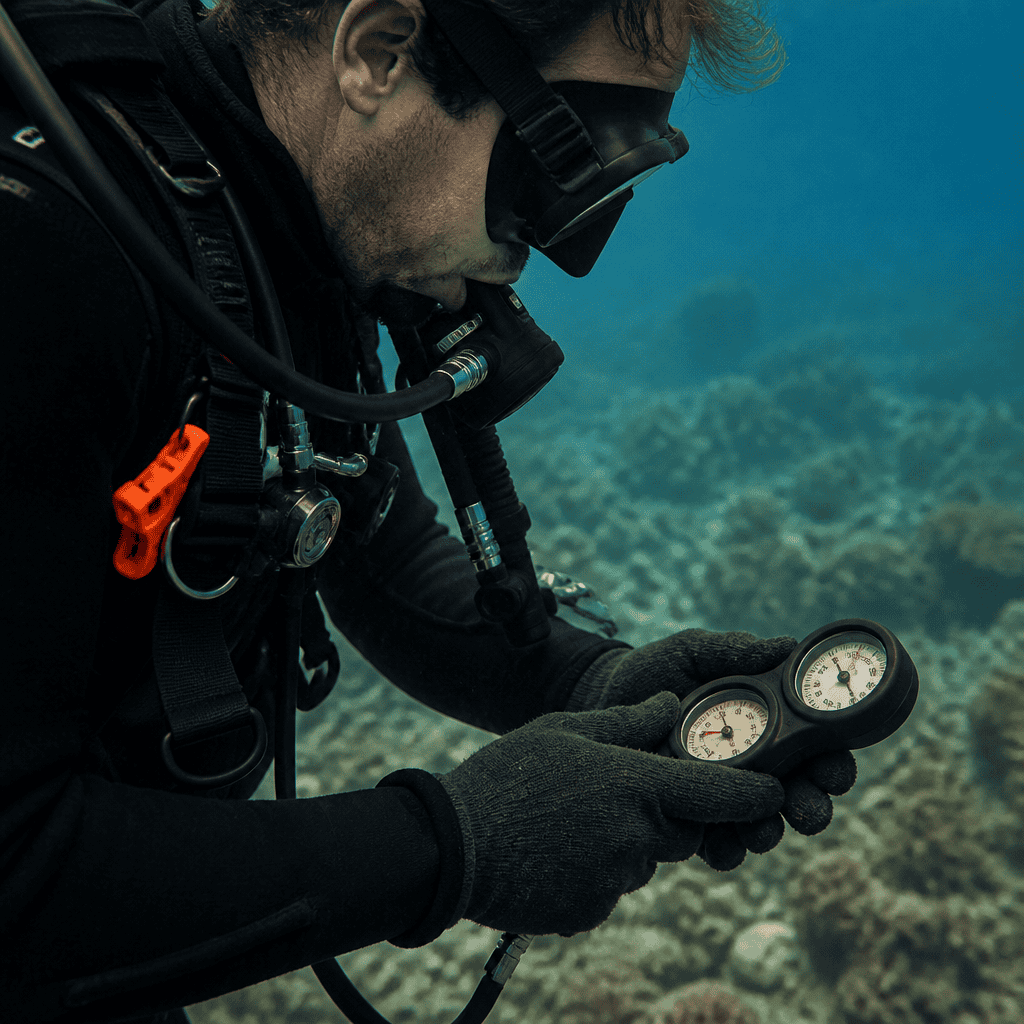
Characteristics of reliable equipment include durability, ease of inspection, and redundancy (backup systems). Hyponyms include regulators, buoyancy control devices (BCDs), dive computers, and emergency signaling tools. Regular servicing, adherence to manufacturer guidelines, and proper storage prevent malfunctions during dives, thereby mitigating risks associated with unpredictability.
Regulator and BCD Maintenance
Regulators and BCDs are critical for breathing and buoyancy control underwater. According to industry standards, these components require servicing at least once per year or 100 dives, whichever comes first. Neglecting maintenance can lead to failures such as free-flowing regulators or inflation leaks, which pose immediate danger to divers.
Dive Computer Utility and Redundancy
Dive computers provide real-time data on depth, time, and decompression limits, crucial for safe ascents. A 2021 DAN survey found divers using computers had a 30% reduction in decompression sickness incidents. Carrying a backup device or analog gauge offers redundancy if one tool fails during unpredictable dive profiles.
Emergency Preparedness and Response Strategies
Emergency preparedness involves knowledge, skills, and equipment readiness to manage underwater incidents such as entrapment, gas depletion, or medical emergencies. According to the Undersea and Hyperbaric Medical Society, effective emergency response training significantly lowers fatality rates in diving accidents.
Key elements include first aid certification, rescue techniques, and use of signaling devices. Hyponyms include controlled emergency swimming ascents, oxygen administration, and drift dive rescue procedures. Prepared divers respond more calmly and efficiently during unpredictable situations, often preventing escalation into life-threatening events.
First Aid and Rescue Training
Training in CPR, oxygen use, and underwater rescue equips divers to assist themselves and others in crisis. DAN reports show divers with formal emergency training have a 50% higher survival rate in serious incidents.
Use of Emergency Signaling Devices
Devices such as surface marker buoys, whistles, and strobe lights increase visibility to surface support in emergencies. Their proper use can speed rescue response times, critical in unpredictable conditions involving currents or remote locations.
Conclusion
In summary, staying safe underwater amid unpredictable dive conditions requires adherence to fundamental safety practices, adaptability to environmental variables, reliable equipment maintenance, and thorough emergency preparedness. Each entity and attribute pairing—from buddy systems and situational awareness to equipment reliability and emergency response—plays an integral role in reducing risk and enhancing diver confidence. Given that diving environments can change rapidly and unexpectedly, ongoing education, planning, and vigilance remain critical for all divers. To further enhance your safety, consider pursuing advanced certification courses and regularly updating your emergency training to stay prepared for whatever challenges each dive may present.