Transitioning Safely: Technical Diving as an Advanced Discipline Beyond Recreational Diving
Technical diving represents a specialized branch of underwater diving that goes beyond the limits of conventional recreational diving in terms of depth, duration, and complexity. Defined by agencies such as the Technical Diving International (TDI) and Global Underwater Explorers (GUE), technical diving involves the use of advanced equipment, decompression procedures, and gas mixtures like trimix to safely explore underwater environments inaccessible to recreational divers. The transition from recreational to technical diving is an increasingly popular progression for divers seeking to expand their skills and dive deeper or longer, but it demands rigorous training and adherence to safety protocols. According to the Divers Alert Network (DAN), incidents in technical diving, while statistically low proportionally to participation, tend to be more severe, underlining the critical importance of structured training and experience before making this shift. This guide explores key considerations for safely transitioning, including understanding technical diving’s defining attributes, structured training pathways, equipment requirements, and risk management strategies.
Defining Technical Diving: Core Attributes and Diver Requirements
Technical diving is characterized as an advanced form of diving that incorporates planned decompression stops, the use of specialized breathing gas mixtures (e.g., nitrox, trimix), and enhanced equipment configurations such as twin cylinders and rebreathers. Dr. Simon Mitchell, a renowned diving medicine specialist, defines technical diving as “diving beyond established recreational limits to access more challenging environments, necessitating greater skill and risk management” (Mitchell, 2018). Key attributes include:
- Depth exceeding 40 meters (130 feet), typically involving mandatory decompression stops.
- Multiple gas mixtures employed to optimize oxygen exposure and reduce nitrogen narcosis.
- Advanced equipment redundancy, such as dual regulators and bailout systems.
- Use of guidelines and systematic dive planning to address increased physiological and environmental hazards.
Hyponyms of technical diving include cave diving, wreck penetration diving, and mixed-gas decompression diving, each applying specific methodologies tailored to the environment. The International Association of Nitrox and Technical Divers (IANTD) notes a steady growth in certified technical divers worldwide, reflecting both technological advances and increasing interest in exploration beyond recreational bounds.
Training and Certification Pathways for Safe Technical Diving
Training is the cornerstone of the transition from recreational to technical diving. Certification agencies such as PADI TecRec, TDI, and IANTD offer structured courses that progressively build competencies. These programs typically start with foundational technical skills like nitrox diving and progress through decompression diving and trimix use. A DAN study indicates that trained technical divers exhibit markedly lower incident rates compared to uncertified divers attempting technical dives, highlighting training’s vital role in risk mitigation.
Equipment Considerations: From Recreational to Technical Gear
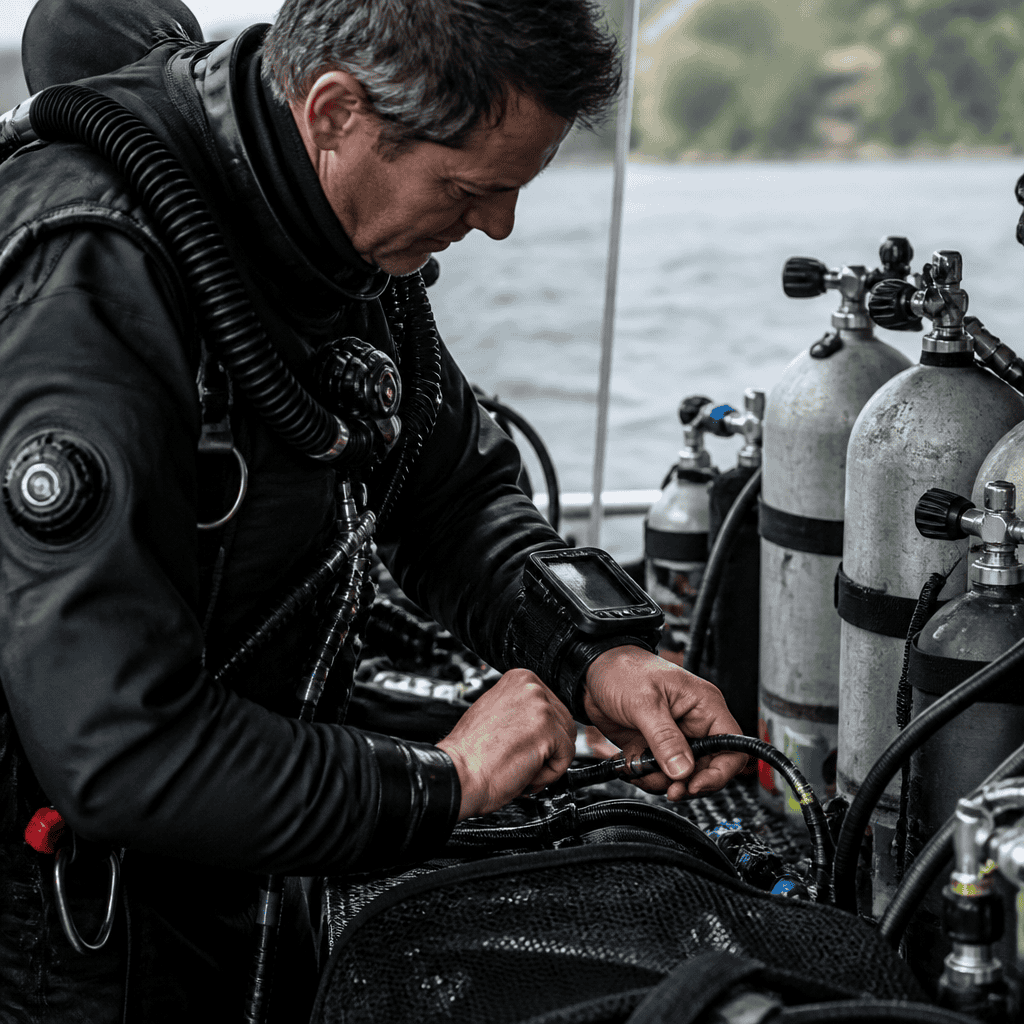
Transitioning divers must familiarize themselves with and acquire specialized equipment designed to sustain deeper, longer, and more complex dives. This includes redundant breathing systems, dive computers capable of handling multiple gas mixtures, and stage/decompression cylinders. The complexity of gear demands thorough hands-on training and maintenance understanding to ensure operational safety underwater.
Risk Management and Psychological Preparedness in Technical Diving
Beyond physical skills and equipment, technical diving requires advanced risk management strategies and psychological readiness. Divers must be adept at problem-solving under stress and maintaining composure during emergencies. DAN’s annual incident reports emphasize that many accidents in technical diving result from poor planning or panic, reinforcing the need for rigorous mental preparation alongside technical training.
Planning and Execution: Best Practices for a Smooth Transition to Technical Diving
Successful transition to technical diving hinges on meticulous dive planning and execution. This includes building experience incrementally by increasing dive complexity, depth, and gas management skills under professional supervision. Maintaining meticulous dive logs and continuously updating knowledge on decompression theory, gas physics, and diver physiology are crucial for sustained safety.
Incremental Experience Building and Mentorship
Studies in diver progression indicate that a gradual increase in dive complexity coupled with mentorship by experienced technical divers significantly reduces incidents. Joining clubs or technical diving communities provides support systems that promote safer practices and knowledge sharing.
Integrating Dive Computers and Software for Complex Dive Profiles
Modern dive computers and dive planning software allow technical divers to manage multiple gases and decompression schedules efficiently. Familiarity with these tools and consistent practice is essential for handling the increased cognitive load of technical dives.
Conclusion: Embracing Technical Diving with Knowledge, Skill, and Caution
Transitioning from recreational to technical diving is a rewarding yet demanding endeavor that requires comprehensive training, specialized equipment, and heightened risk management. Understanding the defining attributes of technical diving, committing to accredited certification programs, and adopting best practices in planning and execution can markedly enhance safety and enjoyment. Technical diving opens the door to extraordinary underwater exploration, but only when approached with respect for its challenges and adherence to proven protocols. Aspiring technical divers are encouraged to consult reputable agencies’ resources and engage with experienced professionals to ensure a safe and fulfilling transition.