Scuba Diving Fundamentals: Understanding Basics for Confident Beginners
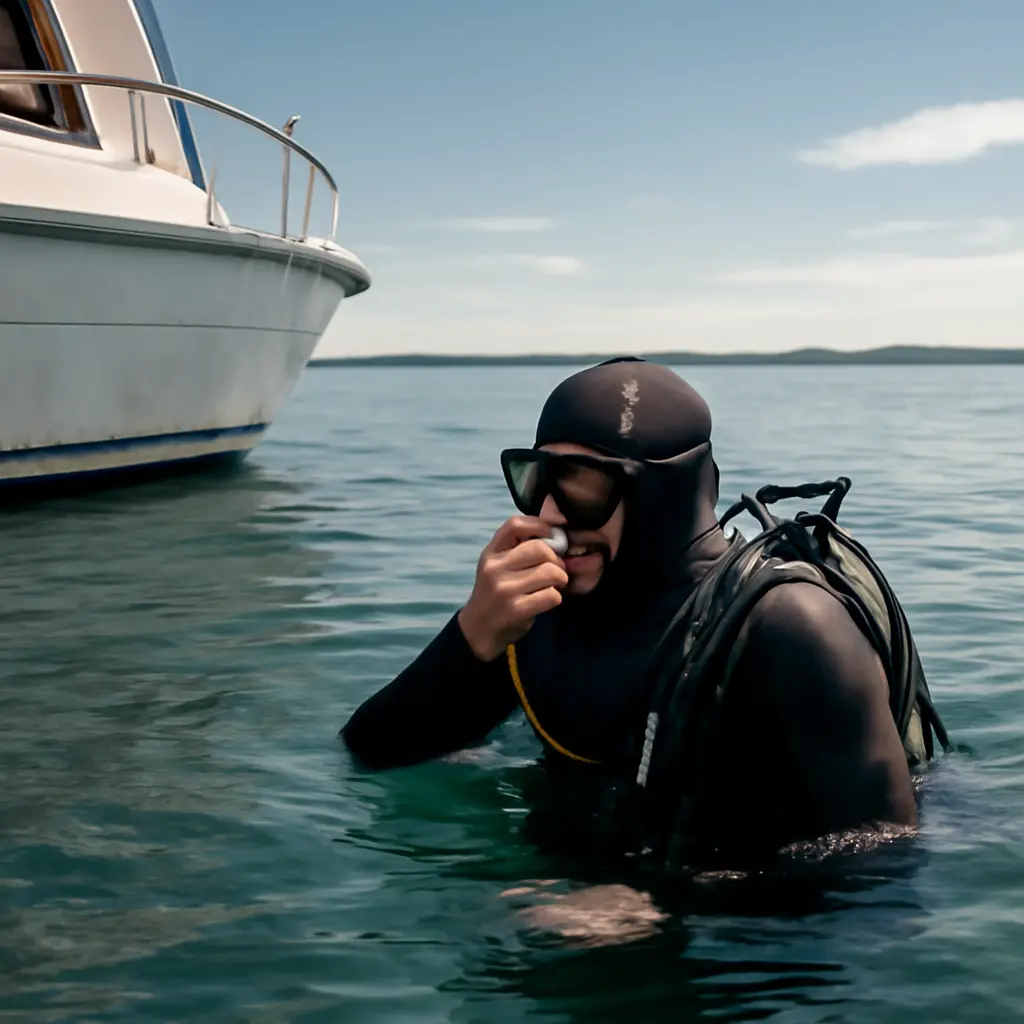
Scuba diving is an adventurous underwater activity that allows individuals to explore aquatic environments using specialized equipment for breathing and mobility. It combines aspects of safety, technical skill, and environmental awareness, making it accessible with proper guidance and training. According to the Professional Association of Diving Instructors (PADI), over 23 million people worldwide have tried scuba diving, highlighting its popularity and appeal as a recreational sport and professional activity. This article breaks down the essentials of scuba diving, covering equipment basics, safety protocols, training requirements, and environmental considerations to help newcomers start confidently without feeling overwhelmed.
Definition and Scope of Scuba Diving Basics
Scuba diving basics refer to the foundational knowledge and skills needed to safely and effectively participate in underwater diving using self-contained underwater breathing apparatus (SCUBA). Dr. Michael Lang, a marine science educator, defines scuba diving basics as “the core competencies and understanding that equip divers to manage their equipment, environment, and personal safety while exploring underwater.” Key characteristics include understanding pressure effects, buoyancy control, and equipment functionality. Globally, beginner-level scuba certifications continue to rise by approximately 7% annually, indicating growing interest and accessibility.
Scuba diving basics can be subdivided into core components such as equipment handling, dive planning, safety rules, and environmental ethics. Hyponyms under this domain include open water diving, snorkeling basics, and advanced scuba techniques, which build upon foundational knowledge to expand skill sets. Understanding these elements sequentially facilitates an easier learning curve and improves diver confidence.
Equipment Essentials and Functionality
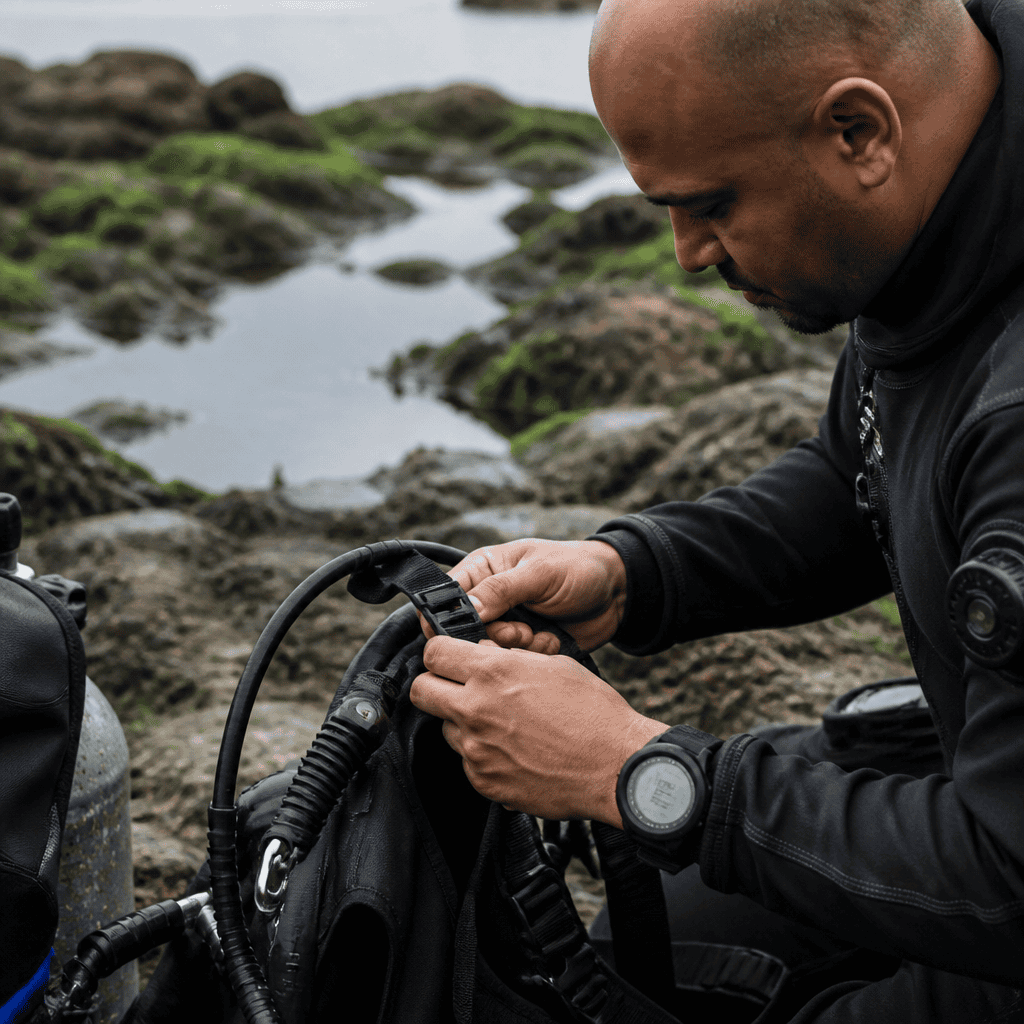
The core scuba diving equipment includes a mask, snorkel, fins, buoyancy control device (BCD), regulator, and an air tank. These components work together to enable breathing underwater, vision, mobility, and buoyancy management. The National Oceanic and Atmospheric Administration (NOAA) emphasizes that proper equipment maintenance and correct usage are vital to preventing diving accidents, which account for approximately 2-3 fatalities per 100,000 dives annually in recreational diving.
Safety Protocols and Training Certification
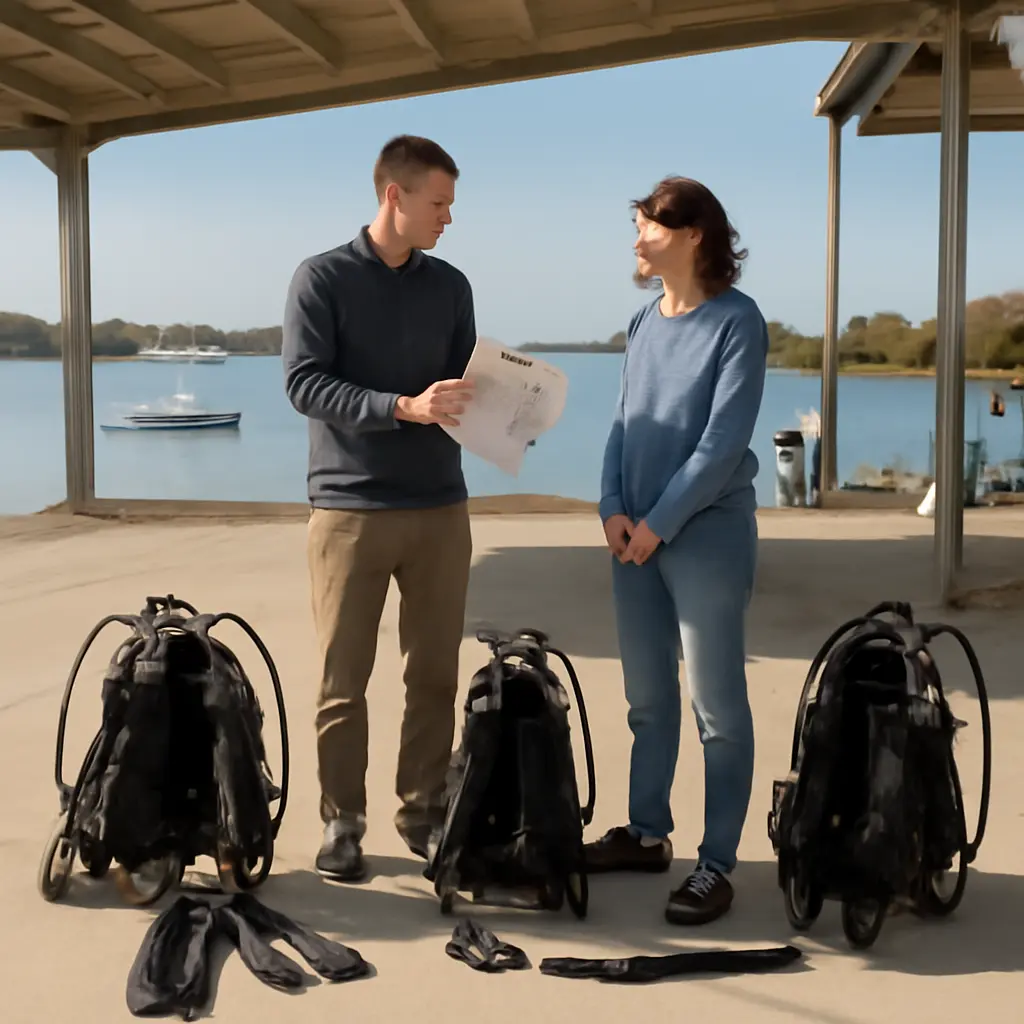
Safety is paramount in scuba diving, and organizations like PADI and SSI (Scuba Schools International) require divers to undergo certification courses covering emergency procedures, dive planning, and communication signals before diving independently. These courses typically involve classroom instruction, confined water practice, and open water dives. Studies reveal that certified divers are significantly less likely to experience diving-related injuries due to their training in hazard recognition and management.
Environmental Awareness and Conservation Etiquette
Scuba divers interact directly with fragile marine ecosystems, making environmental education a critical part of basic training. The Reef Check Foundation reports that responsible diving practices, such as avoiding contact with corals and marine life and proper waste disposal, help reduce damage to underwater habitats. Divers practicing eco-friendly methods contribute to marine conservation and sustainable tourism, ensuring that dive sites remain healthy for future generations.
Categorizing Scuba Skills and Knowledge for Beginners
To streamline learning, scuba diving basics can be grouped into theoretical knowledge, practical skills, and environmental ethics. Each category builds upon the other to create a comprehensive diving competency.
Theoretical Knowledge: Physics and Physiology
Understanding how pressure affects the body, gas laws like Boyle’s Law, and the risks of decompression sickness form the scientific backbone of diving theory. According to Divers Alert Network (DAN), awareness of these physiological principles reduces incident rates and improves diver response to underwater emergencies.
Practical Skills: Buoyancy and Navigation
Mastering buoyancy control is essential for efficient and safe diving. This skill enables divers to avoid unintended contact with the seabed or corals. Navigation skills, including using a compass underwater, ensure divers can orient themselves and return safely. Training programs emphasize repetitive practice in confined waters before open ocean dives.
Environmental Ethics: Responsible Diving Practices
Respectful interaction with marine life, minimizing physical impact, and adhering to local regulations highlight the ethical responsibilities of divers. Studies show that dive sites with active diver education programs report improved coral health and biodiversity (Journal of Marine Conservation, 2021).
Conclusion: Embracing Scuba Diving Basics for a Safe and Enjoyable Experience
Scuba diving basics encapsulate the essential knowledge and skills required to explore underwater environments safely and responsibly. From understanding equipment functionality and safety protocols to respecting marine ecosystems, these foundational elements are critical for any beginning diver. As interest in scuba diving continues to grow globally, embracing these basics not only enhances personal safety but also promotes sustainable interaction with our oceans. Prospective divers are encouraged to pursue certified training programs and continuously update their knowledge and skills. For further exploration, visiting official sites such as PADI or SSI and participating in local dive community events can provide valuable resources and support.